


Are there any saltwater jigging lures that imitate baitfish?
As a supplier of Jigging Lures Saltwater, I often get asked this question by fishing enthusiasts and professionals alike. The answer is a resounding yes! There are indeed numerous saltwater jigging lures designed to mimic the appearance, movement, and behavior of baitfish, which are crucial in attracting predatory fish in the vast saltwater environment.
The Importance of Imitating Baitfish
Baitfish are a primary food source for many saltwater game fish. Species like mackerel, herring, sardines, and anchovies are commonly found in saltwater ecosystems, and larger predatory fish such as tuna, marlin, snapper, and grouper actively hunt them. By using lures that imitate these baitfish, anglers can increase their chances of a successful catch. Predatory fish are hard - wired to respond to the sight and movement of their natural prey, and a well - crafted baitfish - imitating lure can trigger their predatory instincts.
Types of Saltwater Jigging Lures that Imitate Baitfish
Soft Plastic Jigging Lures
Soft plastic lures are incredibly popular for saltwater jigging. They are made from flexible, rubber - like materials that can be molded into various shapes resembling different baitfish species. These lures often have a lifelike texture and color patterns that closely match those of real baitfish. For example, some soft plastic lures are designed to look like slender mackerel, with a streamlined body and iridescent scales. When jigged in the water, the soft plastic material moves in a natural, undulating motion, similar to the swimming action of a live baitfish. This movement can be further enhanced by adding a weighted jig head, which gives the lure a more realistic diving and rising motion.

Metal Jigging Lures
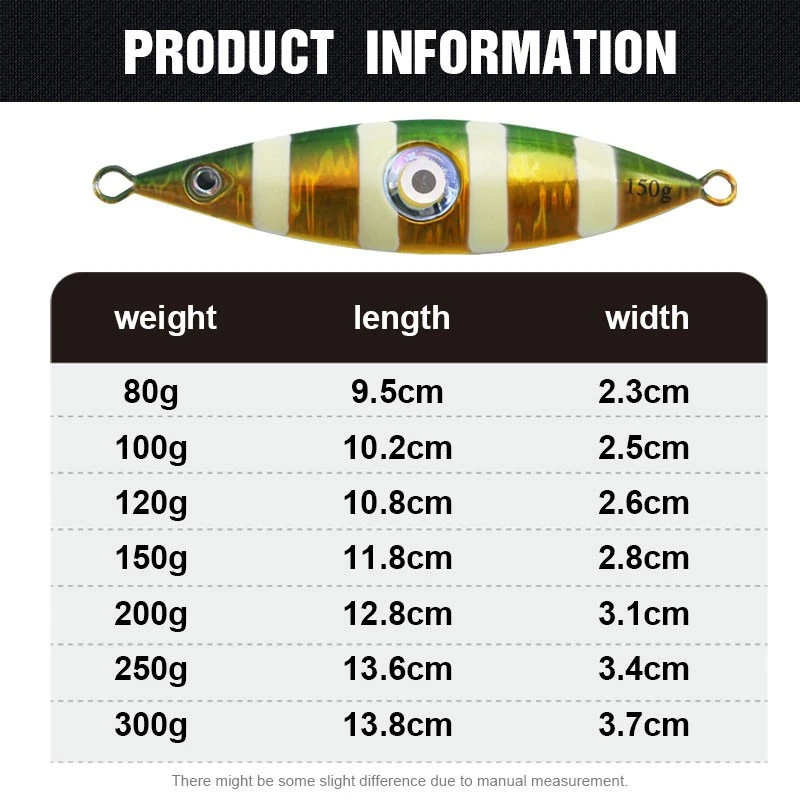
Metal jigs are another effective option for imitating baitfish. They are typically made from high - quality metals such as stainless steel, tungsten, or lead. Metal jigs come in a variety of shapes, including needle jigs, butterflying jigs, and vertical jigs. Needle jigs, for instance, have a long, slender body that mimics the shape of a small baitfish like a herring or an anchovy. When retrieved through the water, metal jigs flash and reflect light, simulating the shiny scales of a live baitfish. This visual stimulus can be very attractive to predatory fish, especially in deeper waters where light penetration is limited.
Wooden Jigging Lures
Wooden lures have a long history in saltwater fishing. They are often hand - crafted, which allows for a high level of detail in imitating baitfish. Wooden lures can be painted with realistic color patterns and markings to resemble specific baitfish species. They also have a natural buoyancy and movement in the water. When jigged, wooden lures can produce a subtle, wobbling action that is very similar to the way a live baitfish swims. However, wooden lures require more care and maintenance compared to plastic or metal lures, as they are more susceptible to damage from water and rough handling.
Factors Affecting the Success of Baitfish - Imitating Lures
Color and Pattern
The color and pattern of a baitfish - imitating lure are crucial. In clear water, lures with natural, realistic color patterns are often more effective. For example, a silver - sided lure with a green back can closely resemble a mackerel, which is a common baitfish in many saltwater areas. In murky or stained water, brighter and more contrasting colors may be more visible to predatory fish. Some lures also have fluorescent or UV - reactive colors, which can stand out in low - light conditions or deep waters.
Size
The size of the lure should match the size of the baitfish that the target species typically feeds on. If the target fish is a large tuna, for example, a larger baitfish - imitating lure may be more appropriate. On the other hand, if you are targeting smaller species like snapper or sea bass, a smaller lure would be a better choice. Using a lure that is too large or too small can reduce the chances of a successful strike.
Movement
The movement of the lure is what really brings it to life and triggers the predatory response of fish. Different jigging techniques can be used to create various movements. For example, a slow, steady jigging motion can imitate a wounded or leisurely - swimming baitfish, which can be very effective in enticing fish that are not actively chasing prey. A more aggressive, erratic jigging motion can mimic a panicked baitfish, which may attract more aggressive predators.
Our Product Range
At our company, we offer a wide range of Jigging Lures Saltwater that are specifically designed to imitate baitfish. Our soft plastic lures are made from high - quality, durable materials that can withstand the sharp teeth of saltwater fish. They come in a variety of colors and sizes, allowing anglers to choose the perfect lure for their target species and fishing conditions.
Our metal jigs are precision - crafted to ensure optimal flash and movement in the water. We use the latest manufacturing techniques to create jigs with smooth edges and balanced weights, which result in a more realistic swimming action.
Our wooden lures are hand - painted by skilled artisans, giving them a unique and realistic appearance. They are treated with special coatings to protect them from water damage and ensure a long lifespan.
Comparing with Live Bait
While live baitfish are a natural and effective option for saltwater fishing, there are several advantages to using baitfish - imitating lures. Firstly, lures are more convenient. You don't have to worry about keeping live bait alive, which can be a challenge, especially during long fishing trips. Secondly, lures can be reused multiple times, which can save you money in the long run. Additionally, lures can be designed to target specific species more effectively. For example, a lure with a particular color or movement pattern may be more attractive to a certain type of predatory fish.
However, it's important to note that in some situations, live bait may still be the preferred choice. In areas where fish are very finicky or when fishing for species that are particularly sensitive to the smell and taste of live prey, live baitfish may outperform lures.
Tips for Using Baitfish - Imitating Lures
- Understand the Target Species: Research the feeding habits and preferences of the fish you are targeting. This will help you choose the right type, size, and color of lure.
- Vary Your Jigging Technique: Don't be afraid to experiment with different jigging motions to see what works best. Sometimes a slow, steady jig can be more effective, while other times a fast, erratic jig may trigger a strike.
- Match the Hatch: Try to use lures that closely resemble the baitfish that are present in the area where you are fishing. This can increase the chances of your lure being recognized as a real meal by the predatory fish.
The Future of Baitfish - Imitating Lures
The future of saltwater jigging lures that imitate baitfish looks very promising. With advancements in materials science and manufacturing technology, we can expect to see even more realistic and effective lures in the coming years. For example, new materials may be developed that have an even more lifelike texture and movement. Additionally, the use of electronics in lures, such as LED lights and sound - emitting devices, may become more common, further enhancing the ability of lures to attract fish.
Contact Us for Procurement
If you are interested in purchasing high - quality Jigging Lures Saltwater that imitate baitfish, we invite you to get in touch with us. We offer competitive prices, excellent customer service, and a wide range of products to meet your fishing needs. Whether you are a professional angler or a recreational fisherman, our lures can help you improve your chances of a successful catch. You can also explore our other Sea Fishing Bait and Saltwater Fishing Bait options on our website. Contact us today to start a procurement discussion and take your saltwater fishing to the next level.
References
- Allen, R. (2018). Saltwater Fishing Lures: A Comprehensive Guide. Fishing World Publications.
- Brown, T. (2020). The Art of Jigging: Techniques and Lures for Saltwater Fishing. Coastal Angling Press.
- Clark, S. (2019). Understanding Predatory Fish Behavior in Saltwater Environments. Marine Biology Journal.


