


Can I use mono fishing line for bluegill fishing?
Bluegill fishing is a popular pastime for many anglers, offering a great deal of fun and the opportunity to catch these feisty and delicious fish. When it comes to choosing the right fishing line for bluegill, one option that often comes up is mono fishing line. As a mono fishing line supplier, I'm here to explore whether mono fishing line is a suitable choice for bluegill fishing and provide you with the information you need to make an informed decision.
Understanding Mono Fishing Line
Mono fishing line, short for monofilament fishing line, is a single-strand fishing line made from a single piece of nylon or other synthetic materials. It has been a staple in the fishing industry for decades and is known for its versatility, affordability, and ease of use. Mono fishing line comes in a variety of strengths, diameters, and colors, making it suitable for different fishing applications.
Advantages of Using Mono Fishing Line for Bluegill Fishing
- Visibility: Bluegill are known to be visual feeders, and the visibility of mono fishing line can be an advantage. Mono line is often available in clear or low-visibility colors, which can help reduce the chances of spooking the fish. Additionally, the line's visibility can make it easier for you to detect bites, especially when fishing in clear water.
- Knot Strength: Mono fishing line has excellent knot strength, which is crucial when fishing for bluegill. Bluegill have small, sharp mouths, and a strong knot is necessary to prevent the fish from breaking free. Mono line can be tied into a variety of knots, such as the improved clinch knot or the Palomar knot, which provide reliable connections between the line and the hook or lure.
- Stretch: Mono fishing line has a certain amount of stretch, which can be beneficial when fishing for bluegill. The stretch helps absorb the shock of a fish's strike, reducing the chances of the line breaking. It also gives you a little more time to set the hook and reel in the fish without putting too much pressure on the line.
- Affordability: Mono fishing line is generally more affordable than other types of fishing line, such as braided or fluorocarbon line. This makes it a great option for anglers on a budget or those who are just starting out with bluegill fishing. You can purchase a spool of mono line at a reasonable price and have plenty of line to use for multiple fishing trips.
- Versatility: Mono fishing line is versatile and can be used for a variety of bluegill fishing techniques. Whether you're fishing from the shore, a boat, or a dock, mono line can handle different fishing conditions and methods. It can be used with a variety of hooks, lures, and sinkers, allowing you to customize your setup based on the specific fishing situation.
Considerations When Using Mono Fishing Line for Bluegill Fishing
- Line Strength: When choosing a mono fishing line for bluegill fishing, it's important to consider the appropriate line strength. Bluegill are relatively small fish, typically ranging from a few ounces to a pound or two. A line with a strength of 2 to 6 pounds is usually sufficient for bluegill fishing. However, if you're fishing in areas with larger bluegill or in heavy cover, you may want to consider using a slightly stronger line. Check out our 12 Lb Monofilament Fishing Line for a stronger option if needed.
- Diameter: The diameter of the mono fishing line can also affect your fishing success. A thinner line has less visibility in the water and can allow your bait or lure to sink more quickly. However, a thinner line may also be more prone to breakage, especially if you're fishing in areas with sharp rocks or other debris. On the other hand, a thicker line is more durable but may be more visible to the fish. Consider the fishing conditions and the size of the bluegill you're targeting when choosing the appropriate line diameter. Our 10 Lb Monofilament Diameter can give you an idea of the diameter options available.
- Line Condition: Mono fishing line can deteriorate over time, especially when exposed to sunlight, heat, and chemicals. It's important to regularly check the condition of your line and replace it if it shows signs of wear or damage. Look for frayed or kinked areas, as these can weaken the line and increase the chances of it breaking. By keeping your line in good condition, you can ensure a more successful and enjoyable fishing experience.
- Water Conditions: The water conditions can also impact the performance of mono fishing line. In clear water, a low-visibility line may be more effective in preventing the fish from detecting the line. In murky or stained water, a more visible line may be easier to see and detect bites. Additionally, if you're fishing in areas with strong currents or wind, a heavier line may be necessary to keep your bait or lure in place.
Tips for Using Mono Fishing Line for Bluegill Fishing
- Use the Right Hook: When fishing for bluegill, it's important to use the right hook size and style. Bluegill have small mouths, so a small hook, such as a size 6 or 8, is usually sufficient. A sharp hook is also essential for a good hookset. Consider using a barbless hook, as it can make it easier to release the fish unharmed.
- Bait Selection: Bluegill are opportunistic feeders and will eat a variety of baits, including worms, crickets, grasshoppers, and small pieces of fish. Experiment with different baits to see what works best in your area. You can also try using artificial lures, such as small jigs or spinners, which can be effective in attracting bluegill.
- Fishing Techniques: There are several fishing techniques you can use when fishing for bluegill. One popular method is to use a bobber or float to suspend your bait at a specific depth. This allows you to easily detect bites and keep your bait in the strike zone. Another technique is to fish along the bottom using a sinker to keep your bait in place. This can be effective in areas with deeper water or when the bluegill are feeding near the bottom.
- Location Selection: Bluegill are often found in shallow, weedy areas, such as ponds, lakes, and slow-moving rivers. Look for areas with cover, such as fallen trees, docks, or vegetation, as these provide shelter and food for the fish. You can also try fishing near the edges of lily pads or other aquatic plants, as bluegill like to feed in these areas.
Conclusion
In conclusion, mono fishing line can be a great choice for bluegill fishing. Its visibility, knot strength, stretch, affordability, and versatility make it a popular option among anglers. However, it's important to consider the appropriate line strength, diameter, and condition, as well as the water conditions and fishing techniques, to ensure a successful fishing experience. By following these tips and using the right equipment, you can increase your chances of catching more bluegill and having a great time on the water.
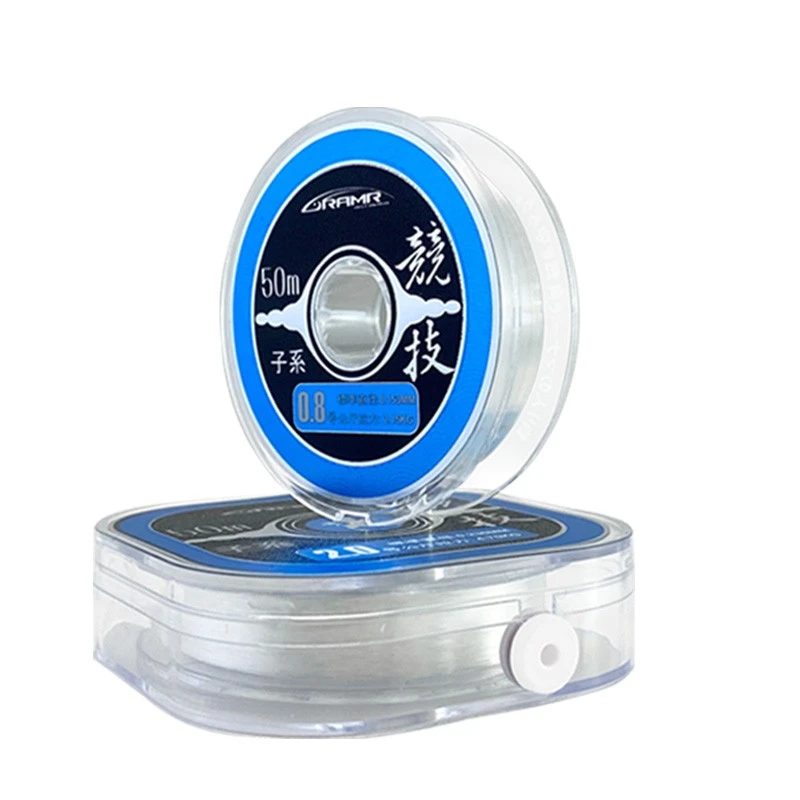
If you're interested in purchasing high-quality mono fishing line for your bluegill fishing adventures, we invite you to explore our Mono Fishing Line collection. We offer a wide range of line strengths, diameters, and colors to meet your specific needs. Contact us today to discuss your requirements and start your next fishing trip with confidence.

References
- "Fishing for Bluegill" - Outdoor Life
- "Choosing the Right Fishing Line" - Bassmaster
- "Bluegill Fishing Techniques" - In-Fisherman


