


Do bulk soft plastic baits need to be replaced frequently? This is a question that I, as a supplier of Bulk Soft Plastic Baits, often encounter from fishing enthusiasts and professional anglers alike. In this blog post, I'll delve into the factors that determine whether these baits should be replaced regularly and offer some insights based on my years of experience in the industry.
Understanding Soft Plastic Baits
Soft plastic baits have become a staple in the fishing world due to their versatility, lifelike appearance, and ability to mimic natural prey. They come in various shapes, sizes, and colors, including worms, grubs, crawfish imitations like the Rage Craw, and other Soft Plastic Lures. These baits are typically made from a flexible plastic material that can be easily rigged on hooks and presented in different fishing techniques.
Factors Affecting the Replacement Frequency
1. Physical Damage
One of the most obvious reasons to replace a soft plastic bait is physical damage. When a fish bites or strikes the bait, it can cause tears, cuts, or missing pieces. Even a small tear can affect the bait's action in the water, making it less appealing to fish. For example, if the tail of a soft plastic worm is torn off, it won't wiggle and move in the same natural way that it did before. In such cases, replacing the bait is crucial to maintain its effectiveness.
2. Wear and Tear
Over time, soft plastic baits are exposed to the elements, including water, sunlight, and the friction of casting and retrieving. This can cause the bait to degrade, lose its color, and become brittle. The plastic may start to break down, and the surface may become rough or dull. If you notice that your bait is becoming frayed or losing its shape, it's a sign that it may need to be replaced.
3. Odor and Attractant Loss
Many soft plastic baits are infused with scents and attractants to entice fish. However, these odors can dissipate over time, especially when the bait is constantly in the water. If the bait loses its scent, it may be less likely to attract fish. Some anglers even claim that fish can detect the difference between a fresh-scented bait and one that has lost its allure. Therefore, it's important to replace baits that have lost their odor to increase your chances of a successful catch.
4. Fishing Conditions
The fishing conditions can also play a role in determining how often you should replace your soft plastic baits. In clear water, fish can be more discerning, and they may be less likely to strike a damaged or worn bait. In murky or stained water, on the other hand, fish rely more on their sense of smell and vibration, so a slightly damaged bait may still be effective. Additionally, if you're fishing in areas with a lot of structure or vegetation, your bait is more likely to get snagged and damaged, which may require more frequent replacement.
When to Replace Soft Plastic Baits
After a Successful Catch
Once you've caught a fish using a soft plastic bait, it's a good idea to inspect the bait for damage. Even if the fish didn't cause any visible tears, the contact with the fish's teeth or mouth may have affected the bait's integrity. Replacing the bait after a catch ensures that you're presenting a fresh and attractive offering to the next fish.
Every Few Casts in Certain Situations
In some cases, such as when fishing in heavily pressured waters or when targeting finicky fish, it may be beneficial to replace your bait every few casts. This ensures that you're constantly presenting a new and enticing option to the fish. Some anglers also like to switch up the color or style of their bait every few casts to see what the fish are more responsive to.
Regularly Based on Usage
If you're using soft plastic baits frequently, it's a good practice to replace them on a regular basis, even if they don't appear to be damaged. For example, if you're fishing for several hours a day, you may want to replace your baits every 1 - 2 hours to maintain their effectiveness. This is especially true if you're using baits that are more prone to wear and tear, such as those with thin or delicate appendages.
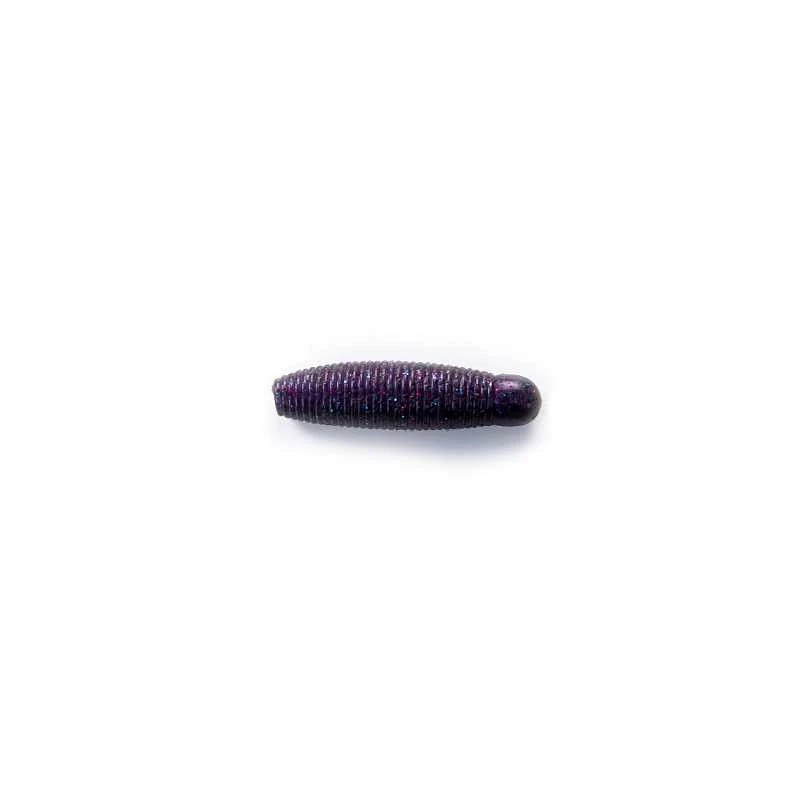

Benefits of Using Bulk Soft Plastic Baits
As a supplier of Bulk Soft Plastic Baits, I can attest to the many benefits of purchasing baits in bulk. Firstly, buying in bulk is cost - effective. You can get a large quantity of baits at a lower price per unit, which is great for anglers who fish often. Secondly, having a large supply of baits on hand means that you never have to worry about running out, especially if you need to replace baits frequently. You can easily swap out damaged or worn baits with fresh ones without having to make a trip to the store.
Conclusion
In conclusion, whether bulk soft plastic baits need to be replaced frequently depends on several factors, including physical damage, wear and tear, odor loss, and fishing conditions. While it's not always necessary to replace the bait after every cast, it's important to pay attention to the condition of your baits and replace them when they're no longer effective. As a supplier of Bulk Soft Plastic Baits, I'm committed to providing high - quality baits that will help you have a successful fishing experience.
If you're interested in purchasing bulk soft plastic baits or have any questions about our products, please don't hesitate to reach out. We're always happy to assist you in finding the right baits for your fishing needs.
References
- "The Complete Guide to Soft Plastic Baits" by Fishing World Magazine
- "Fishing Techniques and Bait Selection" by Angler's Handbook Publishing


