


Do saltwater jigging lures have a long lifespan? That's a question I get asked a lot as a supplier of Jigging Lures Saltwater. And it's a pretty important one, especially if you're into saltwater fishing. I mean, nobody wants to keep shelling out cash for new lures every other week, right?
Let's start by talking about what saltwater jigging lures are. These are special lures designed for saltwater fishing. They're used to mimic the movement of small fish or other prey that bigger fish like to munch on. You cast them out, then use a jigging motion to make them dance around in the water, attracting the attention of hungry fish. There are all sorts of different types, from metal jigs to soft plastic ones, and each has its own unique look and feel.
Now, the lifespan of these lures depends on a bunch of factors. First off, the material they're made of plays a huge role. Metal jigs, for example, are generally pretty tough. They can take a beating from big fish and the rough saltwater environment. Stainless steel and titanium jigs are super durable and can last for years if you take good care of them. On the other hand, soft plastic lures are more prone to wear and tear. They can get chewed up by fish, and the saltwater can also break down the plastic over time.
The way you use your lures also matters. If you're constantly yanking on them when you hook a big fish, you're more likely to damage them. And if you're fishing in areas with a lot of rocks or coral, there's a higher chance of your lures getting scratched or snagged. I've seen plenty of lures that were in perfect condition until they got caught on a sharp rock and ended up with a big chunk missing.
Another thing to consider is how you store your lures. If you just toss them in a tackle box and leave them there, they're going to get banged up. Saltwater can also cause corrosion, especially on metal parts. So, it's a good idea to rinse your lures with fresh water after each use and dry them off thoroughly. You can also store them in individual compartments in your tackle box to prevent them from rubbing against each other.

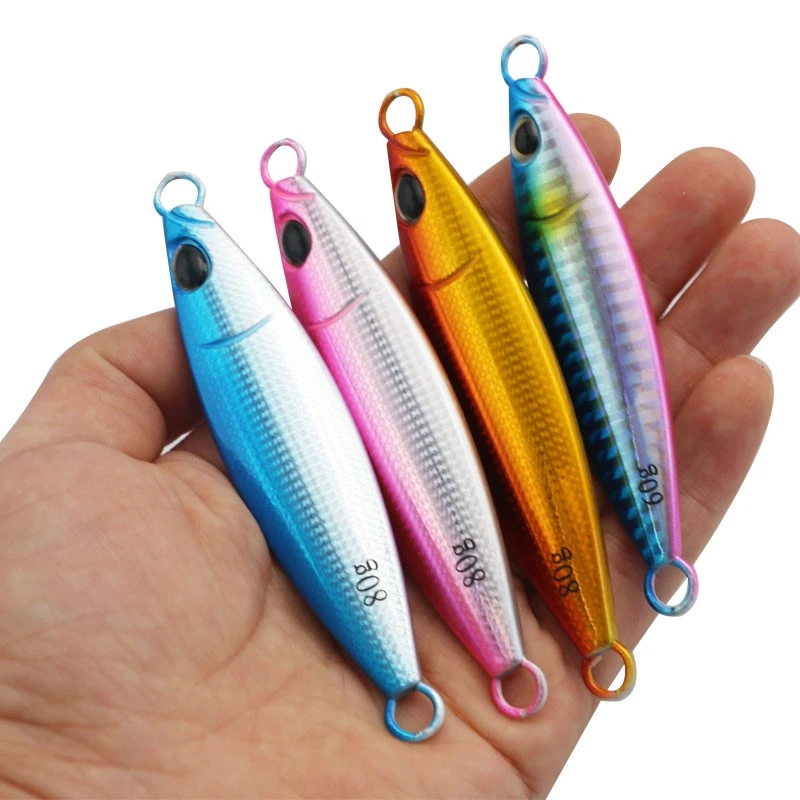
Let's talk about some real - world examples. I've had customers who've been using the same metal jig for five or six years. They take it out on every fishing trip, and it still looks and works great. They make sure to clean it after each use and store it properly. On the flip side, I've also seen customers go through a bunch of soft plastic lures in just a few months. That's not necessarily a bad thing, though. Soft plastic lures are usually cheaper, so it's not a huge financial hit if you have to replace them more often.
When it comes to the lifespan of saltwater jigging lures, it's also important to think about the type of fish you're targeting. If you're going after small fish, your lures are going to take less of a beating. But if you're going for big game fish like tuna or marlin, those lures are going to be put to the test. These large fish have sharp teeth and powerful jaws, and they can do some serious damage to your lures.
Now, let's compare saltwater jigging lures to other types of Saltwater Fishing Bait. Live bait, for example, has a very short lifespan. You have to keep it alive until you use it, and once it's used, it's gone. Cut bait also doesn't last very long. It can start to decompose quickly in the saltwater, and you have to keep replacing it. Saltwater jigging lures, on the other hand, can be used over and over again, which makes them a more cost - effective option in the long run.
If you're into Sea Fishing Bait, you know that having the right lures can make all the difference. A good quality saltwater jigging lure can attract a wide variety of fish. But you have to take care of it to make it last. And if you're looking to improve the lifespan of your lures, there are a few things you can do.
First, invest in high - quality lures. It might cost you a bit more upfront, but it'll save you money in the long run. High - quality lures are made with better materials and are less likely to break or wear out quickly. Second, learn how to fish properly. Use the right techniques to avoid putting too much stress on your lures. And third, make sure to maintain your lures. Clean them, dry them, and store them properly.
As a supplier of saltwater jigging lures, I've seen firsthand the difference that good lures can make. I've also seen how taking care of them can extend their lifespan. If you're in the market for some new lures, I'd be more than happy to help you find the right ones for your needs. Whether you're a beginner or a seasoned pro, having the right lures can really enhance your fishing experience.
So, do saltwater jigging lures have a long lifespan? Well, it depends. But with the right materials, proper use, and good maintenance, they can last a long time. And that means more fishing and less money spent on constantly replacing lures. If you're interested in learning more about our Jigging Lures Saltwater or have any questions about lure lifespan, feel free to reach out. I'm always here to help you make the most of your fishing trips.
References
- "The Complete Guide to Saltwater Fishing" by some well - known fishing author
- Various online fishing forums where fishermen share their experiences with saltwater lures.


