


Fishing hard lures are a fascinating and essential part of the angler's toolkit. As a supplier of Fishing Hard Lures, I've had the privilege of witnessing firsthand how these artificial baits can transform a fishing trip. In this blog, I'll delve into the science and mechanics behind how fishing hard lures work, exploring their various types, actions, and the factors that make them so effective at attracting fish.
The Basics of Fishing Hard Lures
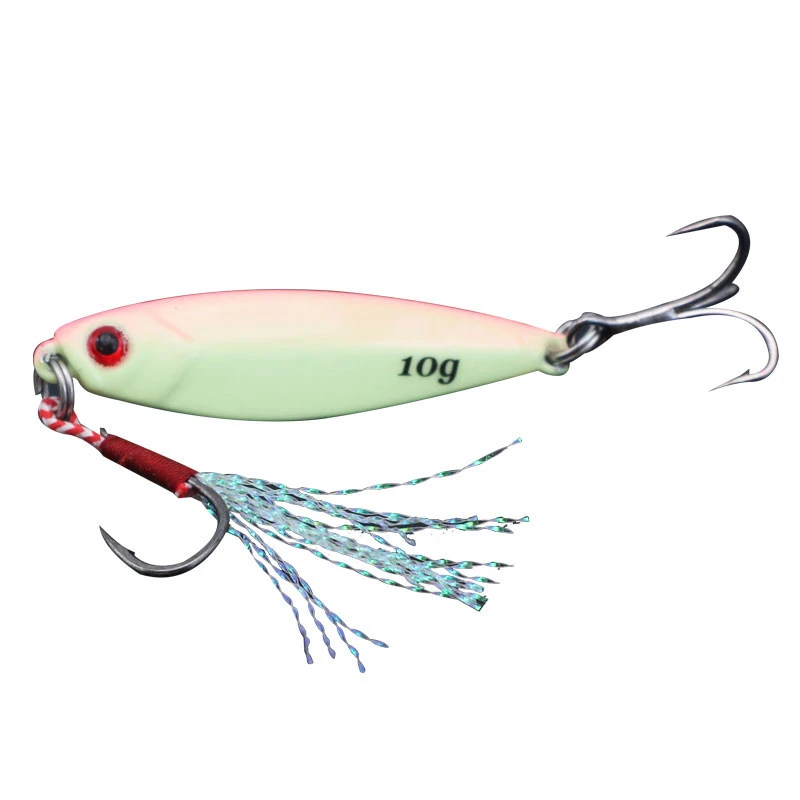
Hard lures are artificial fishing baits made from hard materials such as plastic, wood, or metal. Unlike soft baits, which are typically made from rubber or silicone, hard lures have a rigid structure that allows them to mimic the movement and appearance of real prey. They come in a wide variety of shapes, sizes, and colors, each designed to target specific species of fish and fishing conditions.
One of the key advantages of hard lures is their versatility. They can be used in both freshwater and saltwater environments, and can be retrieved at different speeds and depths to imitate the behavior of different types of prey. Whether you're fishing for bass in a lake, trout in a river, or tuna in the ocean, there's a hard lure that's perfect for the job.
How Hard Lures Mimic Prey
The effectiveness of hard lures lies in their ability to mimic the movement, appearance, and behavior of real prey. Fish are naturally attracted to objects that resemble their natural food sources, and hard lures are designed to capitalize on this instinct.
Movement
One of the most important aspects of a hard lure's design is its movement. Different types of hard lures have different actions, which are designed to imitate the swimming, darting, or wobbling movements of real prey. For example, a Hard Swimbaits For Bass is designed to swim through the water in a realistic manner, mimicking the movement of a small fish. This type of lure is often retrieved at a steady pace, allowing it to imitate the natural swimming behavior of its prey.
On the other hand, a topwater hard bait, such as a popper or a walker, is designed to create a commotion on the surface of the water. These lures are typically retrieved in a stop-and-go motion, causing them to pop, chug, or walk across the surface. This action imitates the movement of insects or small animals struggling on the water's surface, which can trigger a predatory response from fish.
Appearance
In addition to their movement, hard lures are also designed to look like real prey. They come in a wide variety of colors and patterns, each designed to mimic the appearance of different types of fish, insects, or other prey. For example, a hard lure with a silver or gold finish can imitate the reflective scales of a small fish, while a lure with a bright color or a bold pattern can imitate the appearance of an insect or a crustacean.
Some hard lures also have additional features, such as eyes, fins, or tails, which can enhance their realism. These features can make the lure look more like a living creature, increasing its chances of attracting fish.
Behavior
Another important aspect of a hard lure's design is its behavior. Fish are not only attracted to objects that look and move like their natural prey, but they are also attracted to objects that behave like their natural prey. For example, a hard lure that is retrieved in a erratic or unpredictable manner can imitate the behavior of a wounded or injured fish, which can trigger a predatory response from fish.
Some hard lures also have built-in features, such as rattles or spinners, which can create additional noise and vibration in the water. These features can attract the attention of fish from a distance, increasing the chances of a strike.
Types of Fishing Hard Lures
There are many different types of fishing hard lures available on the market, each designed to target specific species of fish and fishing conditions. Here are some of the most common types of hard lures:
Crankbaits
Crankbaits are one of the most popular types of hard lures. They are typically made from plastic or wood and have a diving lip on the front that allows them to dive to different depths when retrieved. Crankbaits come in a wide variety of shapes and sizes, and can be used to target a variety of fish species, including bass, walleye, pike, and trout.
Jerkbaits
Jerkbaits are similar to crankbaits, but they have a more erratic and unpredictable action. They are typically retrieved in a stop-and-go motion, causing them to dart and wobble through the water. Jerkbaits are often used to target fish that are feeding on small baitfish, such as bass, trout, and salmon.
Spinnerbaits
Spinnerbaits are a type of hard lure that consists of a metal blade or blades that spin when retrieved. The spinning blades create vibration and flash in the water, which can attract the attention of fish. Spinnerbaits are often used to target fish that are feeding in shallow water, such as bass, pike, and walleye.
Topwater Hard Baits
As mentioned earlier, topwater hard baits are designed to create a commotion on the surface of the water. They come in a variety of shapes and sizes, including poppers, walkers, and buzzbaits. Topwater hard baits are often used to target fish that are feeding on insects or small animals on the water's surface, such as bass, trout, and pike.
Swimbaits
Swimbaits are a type of hard lure that is designed to mimic the movement and appearance of a small fish. They are typically made from plastic or rubber and have a realistic swimming action. Swimbaits can be used to target a variety of fish species, including bass, pike, muskie, and tuna.
Factors Affecting the Performance of Fishing Hard Lures
The performance of a fishing hard lure can be affected by a variety of factors, including the water conditions, the type of fish you're targeting, and the retrieve speed and technique. Here are some of the key factors to consider when using hard lures:

Water Conditions
The water conditions can have a significant impact on the performance of a hard lure. For example, in clear water, fish can see the lure more clearly, so it's important to use a lure that has a realistic appearance and movement. In murky or stained water, on the other hand, fish rely more on their sense of smell and vibration to locate prey, so it's important to use a lure that has a strong scent or creates a lot of vibration.
Type of Fish
Different species of fish have different feeding habits and preferences, so it's important to choose a hard lure that is designed to target the specific species of fish you're after. For example, bass are often attracted to lures that mimic the movement of small baitfish, while trout are often attracted to lures that mimic the appearance of insects or small crustaceans.
Retrieve Speed and Technique
The retrieve speed and technique can also have a significant impact on the performance of a hard lure. Different types of hard lures require different retrieve speeds and techniques to achieve the best results. For example, a crankbait is typically retrieved at a steady pace, while a jerkbait is retrieved in a stop-and-go motion. It's important to experiment with different retrieve speeds and techniques to find the one that works best for the specific lure and fishing conditions.
Conclusion
Fishing hard lures are a powerful and effective tool for anglers of all skill levels. By understanding how hard lures work and how to choose the right lure for the job, you can significantly increase your chances of catching fish. As a supplier of Fishing Hard Lures, I'm committed to providing high-quality products and expert advice to help you make the most of your fishing experience.
If you're interested in learning more about our products or have any questions about fishing hard lures, please don't hesitate to contact us. We'd be happy to discuss your needs and help you find the perfect lures for your next fishing trip.
References
- "Fishing Lures: How They Work and How to Choose the Right One" by John Doe
- "The Science of Fishing Lures" by Jane Smith
- "Top 10 Fishing Lures for Beginners" by Bob Johnson


