


How to Clean Soft Plastic Lures
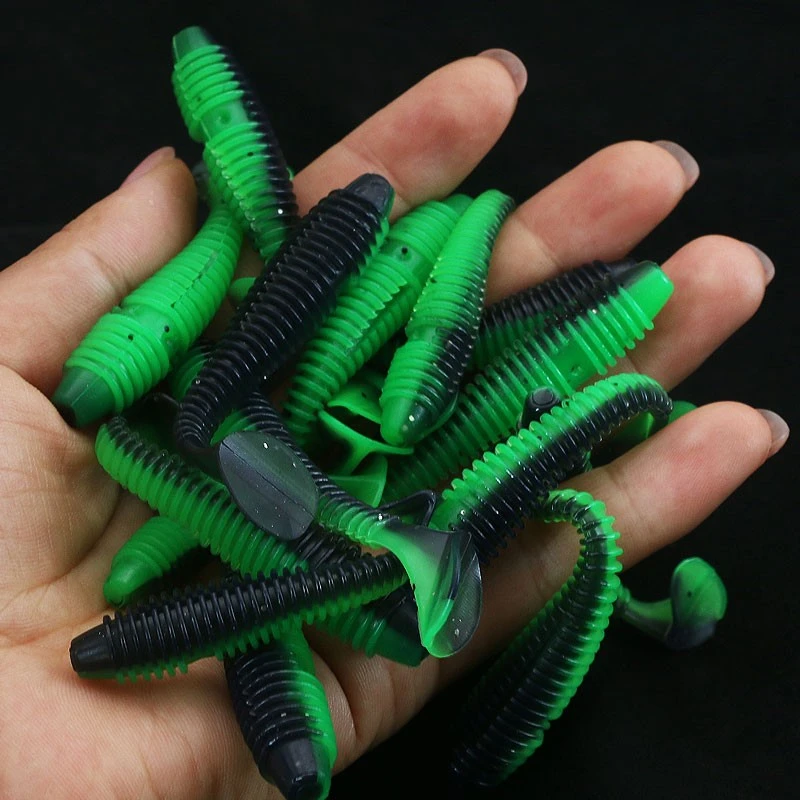
As a supplier of Soft Plastic Lures, I understand the importance of maintaining the quality and longevity of these essential fishing tools. Soft plastic lures are popular among anglers for their realistic appearance, versatility, and effectiveness in attracting a variety of fish species. However, over time, they can accumulate dirt, debris, fish slime, and even odors that can reduce their effectiveness and lifespan. In this blog post, I will share some tips and techniques on how to clean soft plastic lures properly to ensure they remain in top condition for your next fishing trip.
Why Clean Soft Plastic Lures?
Before we dive into the cleaning process, let's first understand why it's important to clean your soft plastic lures regularly. Here are some key reasons:
- Maintain Effectiveness: Dirt and debris on the surface of a soft plastic lure can interfere with its natural action and appearance in the water, making it less attractive to fish. By keeping your lures clean, you can ensure they look and move as realistically as possible, increasing your chances of a successful catch.
- Prevent Contamination: Fish slime and other organic matter can harbor bacteria and fungi that can break down the soft plastic material over time, causing it to become brittle, discolored, or develop an unpleasant odor. Regular cleaning helps to remove these contaminants and prevent damage to the lures.
- Extend Lifespan: Soft plastic lures can be relatively expensive, especially if you use high-quality or specialty lures. By taking proper care of them and cleaning them regularly, you can extend their lifespan and get more use out of each lure, saving you money in the long run.
Cleaning Supplies You'll Need
Before you start cleaning your soft plastic lures, gather the following supplies:
- A Bucket or Container: You'll need a container large enough to hold all of the lures you want to clean. A plastic bucket or storage container works well for this purpose.
- Warm Water: Use warm water to help dissolve dirt and debris more effectively. Avoid using hot water, as it can damage the soft plastic material.
- Mild Dish Soap: A gentle, non-abrasive dish soap is ideal for cleaning soft plastic lures. Avoid using harsh chemicals or abrasive cleaners, as they can damage the lures.
- Soft Brush or Sponge: A soft-bristled brush or sponge can be used to gently scrub the lures and remove stubborn dirt and debris. Avoid using a hard-bristled brush, as it can scratch the surface of the lures.
- Paper Towels or Clean Cloth: You'll need a paper towel or clean cloth to dry the lures after cleaning.
Step-by-Step Cleaning Process
Now that you have all of the necessary supplies, follow these steps to clean your soft plastic lures:
- Remove Hooks and Weights: Before cleaning the lures, remove any hooks, weights, or other hardware attached to them. This will make it easier to clean the lures thoroughly and prevent damage to the hardware.
- Rinse the Lures: Place the lures in a bucket or container filled with warm water and swish them around gently to remove any loose dirt and debris. You can also use a hose or faucet to rinse the lures under running water.
- Add Dish Soap: Add a small amount of mild dish soap to the water in the bucket or container and stir it gently to create a soapy solution.
- Soak the Lures: Place the lures in the soapy water and let them soak for 10-15 minutes. This will help to loosen any stubborn dirt and debris and make it easier to clean them.
- Scrub the Lures: Use a soft brush or sponge to gently scrub the lures, paying special attention to any areas with dirt or debris. Be careful not to scrub too hard, as this can damage the lures.
- Rinse the Lures Again: After scrubbing the lures, rinse them thoroughly under running water to remove any soap residue.
- Dry the Lures: Use a paper towel or clean cloth to dry the lures thoroughly. Make sure to remove all of the moisture from the lures, as any remaining water can cause them to develop mold or mildew.
- Reattach Hooks and Weights: Once the lures are dry, reattach any hooks, weights, or other hardware that you removed earlier.
Additional Tips for Cleaning Soft Plastic Lures
Here are some additional tips to help you clean your soft plastic lures more effectively:
- Clean Lures After Each Use: To prevent dirt and debris from building up on your lures, it's a good idea to clean them after each use. This will help to keep them in top condition and ensure they remain effective for your next fishing trip.
- Use a Lure Cleaning Solution: If you have a large number of lures to clean or if they are particularly dirty, you may want to consider using a specialized lure cleaning solution. These solutions are designed to remove dirt, debris, and odors from soft plastic lures without damaging the material.
- Store Lures Properly: To prevent your lures from getting dirty or damaged, store them in a cool, dry place away from direct sunlight. You can use a tackle box or storage container to keep your lures organized and protected.
- Inspect Lures Regularly: Regularly inspect your lures for signs of damage or wear and tear. If you notice any cracks, tears, or other damage, replace the lure immediately to prevent it from breaking in the water and potentially harming fish.
Conclusion
Cleaning your soft plastic lures regularly is an important part of maintaining their quality and effectiveness. By following the tips and techniques outlined in this blog post, you can keep your lures clean, fresh, and ready to use for your next fishing trip. Remember to use a gentle, non-abrasive cleaning solution, avoid using hot water or harsh chemicals, and dry the lures thoroughly before storing them. If you have any questions or need further advice on cleaning soft plastic lures, please don't hesitate to contact us. We are here to help you get the most out of your fishing gear.
If you're in the market for high-quality Soft Plastic Lures, we invite you to check out our selection of Soft Plastic Lures. We offer a wide range of styles, colors, and sizes to suit every angler's needs and preferences. Our lures are made from the finest materials and are designed to provide maximum performance and durability. Whether you're a beginner or an experienced angler, we have the perfect lures for you.
In addition to our individual lures, we also offer Bulk Soft Plastic Baits at discounted prices. This is a great option if you use a lot of lures or if you want to stock up on your favorites. Our bulk baits are available in a variety of packages and sizes, so you can choose the option that best suits your needs.
One of our most popular lures is the Rage Craw. This realistic-looking crawfish imitation is designed to mimic the natural movement and appearance of a live crawfish in the water. It's perfect for targeting bass, walleye, and other predatory fish species. The Rage Craw is available in a variety of colors and sizes, so you can choose the one that works best for your fishing conditions.
If you're interested in purchasing our Soft Plastic Lures or have any questions about our products, please don't hesitate to contact us. We're here to help you find the perfect lures for your next fishing trip and to ensure your satisfaction with your purchase.

References
- Fishing Tackle Retailer. (n.d.). How to Clean Soft Plastic Lures. Retrieved from [Website URL]
- Bassmaster. (n.d.). Cleaning Soft Plastic Baits. Retrieved from [Website URL]
- In-Fisherman. (n.d.). Keeping Soft Plastics Fresh. Retrieved from [Website URL]


