


Fishing with soft plastic lures around structures can be a highly rewarding experience, but it also comes with its own set of challenges. As a supplier of Soft Plastic Lures, I've seen firsthand how these lures can make a big difference in your fishing game. In this blog, I'll share some tips and tricks on how to fish with soft plastic lures around structures, so you can increase your chances of landing that big catch.
Understanding Soft Plastic Lures
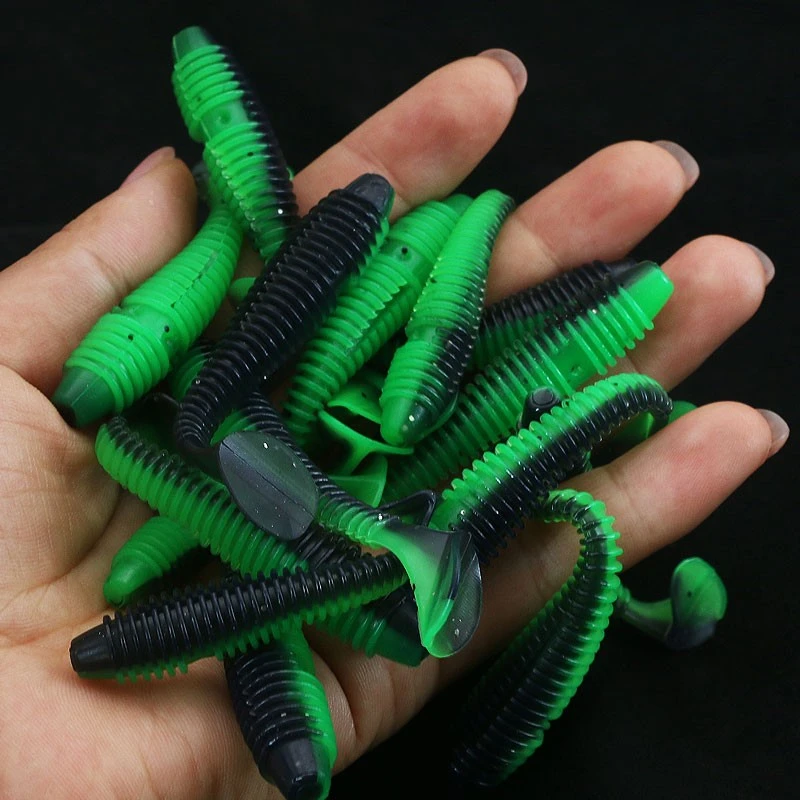
First off, let's talk a bit about what soft plastic lures are. Soft plastic lures, as the name suggests, are made of soft plastic materials. They come in a wide variety of shapes, sizes, and colors, designed to mimic different types of prey like worms, minnows, crawfish, and more. You can check out our range of Soft Plastic Lures at Soft Plastic Lures.
These lures are incredibly versatile and can be used in different fishing conditions, especially around structures. The softness of the material allows them to move naturally in the water, attracting fish to strike. They're also relatively inexpensive compared to other types of lures, which is a big plus for anglers on a budget.
Why Fish Around Structures?
Structures in the water, such as rocks, fallen trees, docks, and weed beds, are like fish magnets. They provide shelter, food, and ambush points for fish. Fish will often hide around these structures, waiting for an unsuspecting meal to swim by. By fishing around structures with soft plastic lures, you're putting your bait right in front of where the fish are likely to be.
Choosing the Right Soft Plastic Lure
The key to successful fishing with soft plastic lures around structures is choosing the right lure for the situation. Different types of fish prefer different types of prey, so it's important to match your lure to the target species.
- Worms: Soft plastic worms are a classic choice for fishing around structures. They can be rigged in various ways, such as Texas rig, Carolina rig, or wacky rig. Worms are great for attracting bass, walleye, and panfish. You can fish them slowly along the bottom or work them through the water column to entice strikes.
- Crawfish: Crawfish imitations, like the Rage Craw, are excellent for fishing around rocky structures or near the bottom. Many fish, especially bass, love to eat crawfish. The realistic movement of a soft plastic crawfish lure can trigger a reaction strike from fish hiding in the rocks.
- Minnows: Soft plastic minnows are a good option for fishing in open water around structures. They can be rigged on a jig head or a weighted hook and retrieved at different speeds to mimic the movement of a real minnow. Minnows are effective for catching trout, pike, and other predatory fish.
Rigging Your Soft Plastic Lure
Once you've chosen the right lure, the next step is to rig it properly. The way you rig your lure can have a big impact on its performance.
- Texas Rig: This is one of the most popular rigging methods for soft plastic lures, especially worms. To Texas rig a lure, you insert the hook point into the head of the lure and then bury it back into the body. This creates a weedless presentation, which is great for fishing around structures. You can use a bullet weight to sink the lure to the bottom and then work it slowly along the structure.
- Carolina Rig: The Carolina rig is another effective rig for fishing around structures. It consists of a sliding sinker, a bead, a swivel, and a leader with a hook. The sliding sinker allows the fish to take the bait without feeling the weight, increasing the chances of a successful hookset. This rig is ideal for fishing in deeper water or when you want to cover more area.
- Jig Head: Jig heads are commonly used with soft plastic minnows and other small lures. You simply thread the lure onto the hook of the jig head. Jig heads come in different weights, so you can choose the right one based on the depth and current of the water. You can bounce the jig head along the bottom or work it through the water column to attract fish.
Fishing Techniques
Now that you have your lure rigged, it's time to start fishing. Here are some fishing techniques that work well when using soft plastic lures around structures:

- Slow and Steady: When fishing around structures, it's often best to fish slowly. Let the lure sink to the bottom and then use a slow, steady retrieve. This allows the fish enough time to notice the lure and strike. You can also add occasional pauses and twitches to make the lure look more natural.
- Bouncing: If you're fishing with a jig head or a weighted lure, you can bounce it off the structure. This mimics the movement of a crawfish or other bottom-dwelling prey. Cast your lure near the structure and let it sink to the bottom. Then, use short, sharp jerks of the rod tip to bounce the lure off the rocks or other objects. This can trigger a reaction strike from fish hiding in the crevices.
- Vertical Fishing: Vertical fishing is a great technique for fishing around deep structures, such as bridge pilings or drop-offs. Lower your lure straight down to the bottom and then slowly lift and drop the rod tip to make the lure move up and down. This can be very effective for attracting fish that are holding close to the structure.
Tips for Fishing Around Structures
Here are some additional tips to help you fish more effectively with soft plastic lures around structures:
- Be Patient: Fishing around structures can be a waiting game. Don't get discouraged if you don't get a bite right away. Keep casting and working your lure, and eventually, you'll find the fish.
- Use the Right Line: When fishing around structures, it's important to use a strong line that can withstand the abrasion. Braided line is a good choice because it has a high strength-to-diameter ratio and is very resistant to cutting. You can also use a fluorocarbon leader to make your line less visible to the fish.
- Pay Attention to the Water Conditions: The water temperature, clarity, and current can all affect the behavior of the fish. In colder water, fish tend to be less active, so you may need to fish more slowly. In murky water, you may want to use a brighter colored lure to make it more visible.
- Change Your Lure if Necessary: If you're not getting any bites, don't be afraid to try a different lure or color. Sometimes, a small change can make a big difference. You can also experiment with different rigging methods and fishing techniques to see what works best.
Buying Soft Plastic Lures in Bulk
If you're an avid angler, buying Bulk Soft Plastic Baits can save you a lot of money in the long run. We offer a wide selection of bulk soft plastic lures at competitive prices. Whether you need worms, crawfish, minnows, or other types of lures, we've got you covered. Buying in bulk also ensures that you always have enough lures on hand for your next fishing trip.
Conclusion
Fishing with soft plastic lures around structures can be a fun and rewarding way to catch fish. By choosing the right lure, rigging it properly, and using the right fishing techniques, you can increase your chances of success. Remember to be patient, experiment, and have fun out on the water.
If you're interested in purchasing our Soft Plastic Lures or have any questions about fishing with them, feel free to reach out. We're always happy to help you find the right lures for your needs and share our expertise. Let's get you out there catching more fish!
References
- Zaldain, J. (2020). Soft Plastic Lure Fishing Guide. Fishing World Magazine.
- Smith, A. (2019). The Art of Fishing Around Structures. Angler's Journal.


