


Hey there, fellow fishing enthusiasts! I'm stoked to share some awesome tips on how to rig saltwater fishing bait. As a supplier of Saltwater Fishing Bait, I've seen it all when it comes to getting the right setup for a successful saltwater fishing trip.
First things first, let's talk about the types of bait you can use. There's a wide range of options out there, from live bait like shrimp, crabs, and small fish to artificial lures. Each type has its own advantages and is suitable for different fishing situations.
Live Bait Rigging
Live bait is a classic choice for saltwater fishing. It's natural, and fish are often more attracted to it because it mimics their natural prey. When using live shrimp, one of the most common rigging methods is the Carolina rig. You'll need a sinker, a swivel, and a leader line. Tie the sinker to the main line, then attach the swivel. The leader line, which is usually a few feet long, goes from the swivel to the hook. Hook the shrimp through the tail or just behind the head. This allows the shrimp to move naturally in the water, making it more enticing to fish.
Crabs are another great live bait option. For crabs, you can use a fishfinder rig. Similar to the Carolina rig, it has a sinker on the main line and a swivel. The difference is that the leader line is attached to a special crab hook. Hook the crab through one of its back legs. This way, the crab can still move around and attract fish.
If you're using small fish as live bait, a simple hook-through-the-back method works well. Use a hook that's appropriate for the size of the fish. Hook it just below the dorsal fin, making sure not to damage the vital organs. This keeps the fish alive and swimming naturally in the water.
Artificial Lure Rigging
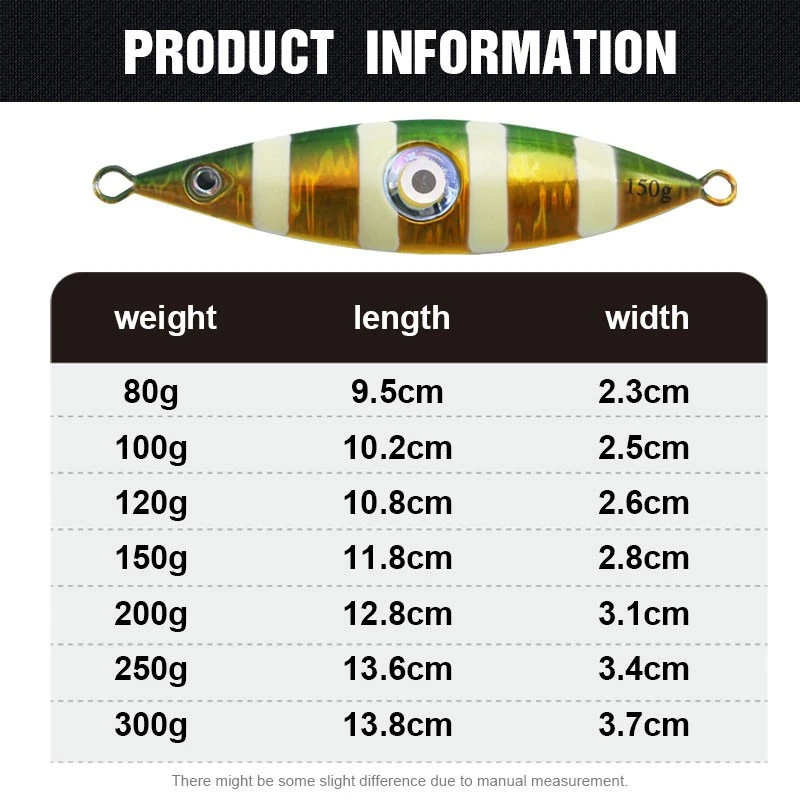
Artificial lures are also super popular in saltwater fishing. They come in all shapes, sizes, and colors, and can be very effective in attracting fish. One type of artificial lure is the Jigging Lures Saltwater. These lures are designed to be jigged up and down in the water, mimicking the movement of a wounded or fleeing fish.
To rig a jigging lure, you'll need a jig head and the lure body. Most jig heads have a hook already attached. Simply thread the lure body onto the hook, making sure it's secure. You can adjust the position of the lure on the hook depending on how you want it to move in the water.

Soft plastic lures are another type of artificial bait. They can be rigged in different ways, depending on the style of fishing you're doing. For example, if you're fishing in shallow water, a Texas rig might be a good choice. This involves inserting the hook point into the tip of the soft plastic lure and then burying it back into the body of the lure. This makes the lure weedless, so it won't get caught on rocks or vegetation.
Choosing the Right Hook
The hook you choose is crucial when rigging saltwater fishing bait. The size and type of hook depend on the type of bait you're using and the fish you're targeting. For small bait like shrimp, a small hook in the range of size 2 to 6 is usually sufficient. For larger bait like crabs or small fish, you'll need a bigger hook, like a size 1/0 to 4/0.
Circle hooks are a popular choice in saltwater fishing. They're designed to hook the fish in the corner of the mouth, which makes it easier to release the fish unharmed. J-hooks are also commonly used, especially for live bait. They work well for hooking the bait and can be very effective in getting a good hookset.
Leader Lines and Main Lines
The leader line and main line are important parts of your fishing setup. The main line is the line that goes from your reel to the swivel or the lure. It needs to be strong enough to handle the weight of the fish you're targeting. Monofilament, fluorocarbon, and braided lines are all common choices for main lines.
The leader line is the line that connects the hook or lure to the main line. It's usually made of a stronger and more abrasion-resistant material than the main line. Fluorocarbon is a popular choice for leader lines because it's nearly invisible in the water. The length of the leader line depends on the fishing conditions. In clear water, a longer leader line, around 3 to 6 feet, might be necessary to avoid spooking the fish. In murky water, a shorter leader line can work just fine.
Tips for Successful Rigging
- Keep it simple: Don't overcomplicate your rigging setup. A simple rig is often more effective and easier to manage.
- Check your knots: Make sure your knots are tight and secure. A loose knot can result in lost bait or fish.
- Match the hatch: Try to use bait and lures that match the natural prey in the area you're fishing. This increases your chances of attracting fish.
- Experiment: Don't be afraid to try different rigging methods and baits. What works in one area might not work in another.
Why Choose Our Saltwater Fishing Bait
As a supplier of Sea Fishing Bait, we take pride in offering high-quality products. Our live bait is fresh and healthy, and our artificial lures are designed to be effective in attracting fish. We have a wide range of options to suit every fishing style and preference. Whether you're a beginner or an experienced angler, we've got the bait you need to have a successful fishing trip.
If you're interested in purchasing our saltwater fishing bait, we'd love to hear from you. Contact us to discuss your needs and start planning your next fishing adventure. We're here to help you get the best results on the water.
References
- "Saltwater Fishing Basics" by John Doe
- "The Art of Rigging" by Jane Smith
- Various online fishing forums and blogs


