


Proper storage of soft bait is crucial for maintaining its quality, effectiveness, and longevity. As a soft bait supplier, I understand the importance of ensuring that our products reach anglers in the best possible condition and remain in top shape until they're used. In this blog post, I'll share some valuable tips on how to store soft bait properly.
Understanding the Characteristics of Soft Bait
Soft baits, such as Paddle Tail Swimbait and Soft Plastic Lures, are typically made from materials like soft plastics, rubber, or silicone. These materials are designed to mimic the appearance and movement of natural prey, making them irresistible to fish. However, they are also susceptible to damage from various factors, including heat, sunlight, moisture, and chemicals.
Choose the Right Storage Container
The first step in proper soft bait storage is selecting the right container. There are several options available, each with its own advantages and disadvantages.
- Plastic Tackle Boxes: These are a popular choice for storing soft bait. They come in various sizes and configurations, allowing you to organize your baits effectively. Look for boxes with compartments or dividers to keep different types of baits separate and prevent them from sticking together.
- Ziplock Bags: Ziplock bags are a convenient and inexpensive option for storing soft bait. They are lightweight and easy to carry, making them ideal for on-the-go fishing trips. However, they may not provide as much protection as plastic tackle boxes, especially if they are not sealed properly.
- Bait Tubes: Bait tubes are designed specifically for storing soft bait. They are typically made from clear plastic and have a tight-fitting lid to keep the baits fresh and protected. Bait tubes are a great option for storing larger baits or for keeping multiple baits together in a single container.
Control the Storage Environment
The environment in which you store your soft bait can have a significant impact on its quality and lifespan. Here are some key factors to consider:
- Temperature: Soft bait should be stored in a cool, dry place. High temperatures can cause the baits to melt, warp, or become brittle, while low temperatures can make them stiff and less flexible. Ideally, the storage temperature should be between 50°F and 70°F (10°C and 21°C).
- Humidity: Moisture can cause soft bait to mold, mildew, or develop a foul odor. To prevent this, store your baits in a dry environment and avoid exposing them to water or high humidity. If you live in a humid climate, you may want to consider using a dehumidifier in your storage area.
- Sunlight: Sunlight can cause the colors of soft bait to fade and can also damage the materials over time. Store your baits in a dark place or use opaque containers to protect them from direct sunlight.
Keep the Baits Clean and Dry
Before storing your soft bait, make sure it is clean and dry. Any dirt, debris, or moisture on the baits can attract bacteria and mold, which can cause them to spoil. Here's how to clean your baits properly:

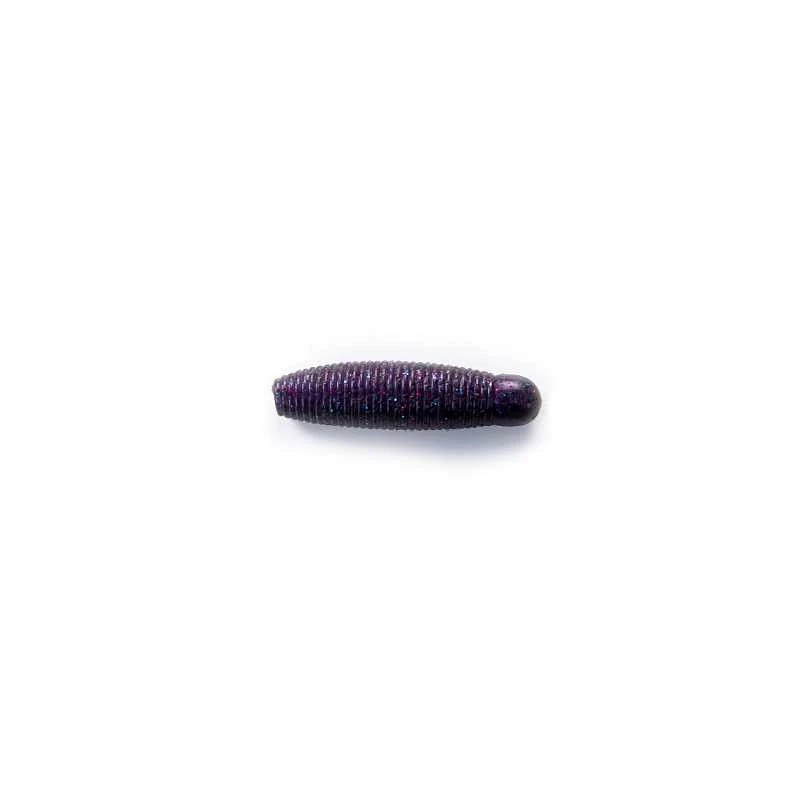
- Rinse with Water: After each use, rinse your soft bait with clean water to remove any dirt or debris. You can use a mild soap if necessary, but make sure to rinse the baits thoroughly to remove all traces of soap.
- Dry Completely: Once you've rinsed the baits, pat them dry with a clean towel or let them air dry completely. Make sure they are completely dry before storing them to prevent mold and mildew from forming.
Avoid Contact with Chemicals
Soft bait can be damaged by contact with certain chemicals, such as gasoline, oil, sunscreen, and insect repellent. These chemicals can cause the baits to break down, lose their color, or become sticky. To prevent this, keep your baits away from these substances and make sure your hands are clean before handling them.
Rotate Your Baits Regularly
If you have a large collection of soft bait, it's a good idea to rotate your baits regularly. This will ensure that all of your baits are used within their recommended shelf life and that you are always using the freshest baits. To rotate your baits, simply move the older baits to the front of the storage container and place the newer baits at the back.
Consider Using Bait Preservatives
Bait preservatives can help extend the lifespan of your soft bait by preventing mold, mildew, and bacteria from growing. There are several types of bait preservatives available, including sprays, dips, and powders. Follow the instructions on the product label carefully to ensure that you are using the preservative correctly.
Conclusion
Proper storage of soft bait is essential for maintaining its quality, effectiveness, and longevity. By following these tips, you can ensure that your baits remain in top shape and are ready to use whenever you need them. As a soft bait supplier, we are committed to providing our customers with high-quality products and helpful advice on how to care for them. If you have any questions or need further assistance, please don't hesitate to contact us. We would be happy to help you with your soft bait storage needs and discuss potential purchasing opportunities. Whether you're looking for Paddle Tail Swimbait, Soft Plastic Lures, or Bulk Soft Plastic Baits, we have the products and expertise to meet your needs.
References
- "Fishing Tackle Storage: How to Keep Your Gear in Top Shape." Bassmaster, https://www.bassmaster.com/fishing-tackle-storage-how-to-keep-your-gear-in-top-shape.
- "How to Store Soft Plastic Baits." In-Fisherman, https://www.in-fisherman.com/editorial/how-to-store-soft-plastic-baits/204636.
- "Tips for Storing Soft Baits." Fishing Booker, https://www.fishingbooker.com/blog/tips-for-storing-soft-baits/.


