


Natural saltwater fishing baits play a crucial role in the success of any saltwater fishing expedition. As a dedicated supplier of [Saltwater Fishing Bait], I've had the privilege of exploring and understanding the diverse range of natural baits that can attract a wide variety of saltwater fish species. In this blog, I'll share some of the most effective natural saltwater fishing baits, their characteristics, and how they can enhance your fishing experience.
Shrimp
Shrimp are one of the most popular and versatile natural saltwater fishing baits. They are rich in scent and flavor, which makes them irresistible to many saltwater fish species, including redfish, snook, flounder, and trout. Shrimp can be used either live or dead. Live shrimp are more active and can attract fish from a greater distance, while dead shrimp are easier to handle and can still be very effective.
When using live shrimp, it's important to keep them alive and active. You can use a shrimp box or a live well to keep them in good condition. Hook the shrimp through the tail or the horn, depending on the fishing technique and the target fish species. Dead shrimp can be cut into pieces or used whole. They can be fished on the bottom or suspended under a float.

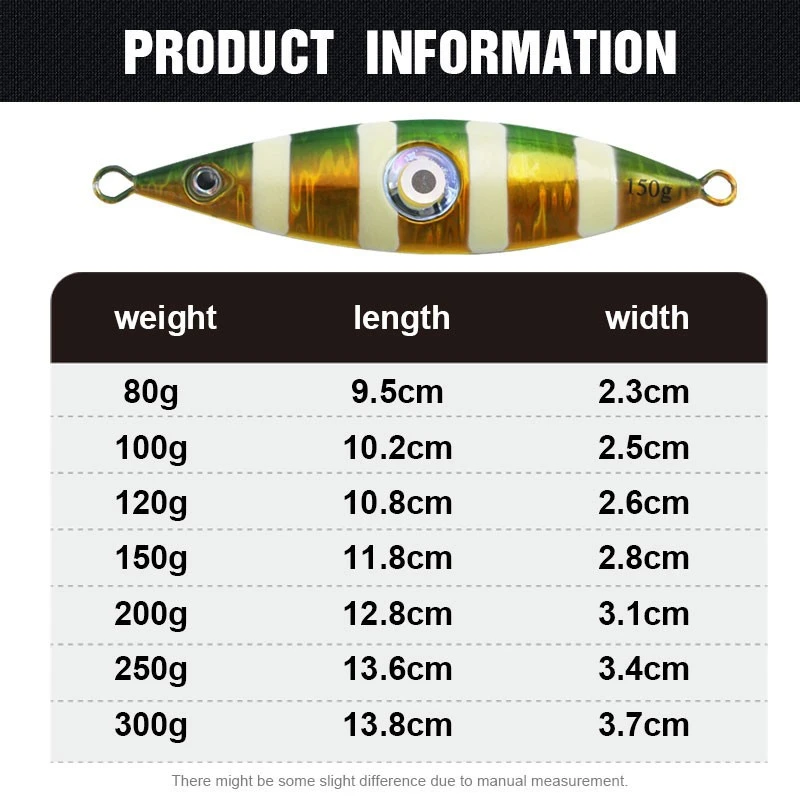
Squid
Squid is another excellent natural saltwater fishing bait. It has a firm texture and a strong scent that can attract a wide range of fish, such as tuna, mackerel, swordfish, and halibut. Squid can be bought fresh or frozen at most bait shops. When using fresh squid, it's best to cut it into strips or chunks. You can also use the whole squid for larger fish.
Frozen squid is a convenient option as it can be stored for a long time. Thaw the squid before using it and cut it into the appropriate size. Squid can be fished on a variety of rigs, including jigs, Carolina rigs, and fish-finder rigs. It can be fished on the bottom, in the middle of the water column, or near the surface, depending on the target fish species.
Crabs
Crabs are a favorite food of many saltwater fish, especially blue crabs, stone crabs, and fiddler crabs. They are particularly effective for catching species like sheepshead, black drum, and red snapper. Crabs can be caught in the wild using crab traps or bought at bait shops.
When using crabs as bait, you can hook them through the back or the claw. Live crabs are more effective as they can move around and attract fish. You can fish crabs on the bottom using a Carolina rig or a fish-finder rig. Make sure to use a heavy enough weight to keep the crab on the bottom.
Clams
Clams are a natural and abundant saltwater fishing bait. They have a sweet and savory flavor that can attract fish like striped bass, blackfish, and tautog. Clams can be dug from the beach or bought at bait shops.
To use clams as bait, you can cut them into pieces or use the whole clam. Hook the clam through the edge or the center. Clams can be fished on the bottom using a variety of rigs, including a simple hook and sinker rig or a fish-finder rig. They are especially effective when fished near rocky areas or structures where fish like to hide.
Mullet
Mullet is a popular baitfish in saltwater fishing. It is a fatty fish with a strong scent that can attract predatory fish such as tarpon, snook, and barracuda. Mullet can be caught using a cast net or bought at bait shops.
When using mullet as bait, you can hook it through the back or the nose. Live mullet can be fished on a free line or under a float. You can also use dead mullet by cutting it into chunks. Mullet can be fished in the open water or near structures, depending on the target fish species.
Ballyhoo
Ballyhoo is a slender, silver-colored baitfish that is commonly used for trolling in saltwater. It is a favorite bait for marlin, sailfish, and tuna. Ballyhoo can be bought frozen at most bait shops.
To use ballyhoo as bait, you can rig it on a trolling rig with a skirt and a hook. The skirt helps to attract the fish's attention, and the hook is used to catch the fish. Ballyhoo can be trolled at different speeds, depending on the target fish species. It is usually trolled near the surface of the water.
Sandworms
Sandworms are a type of marine worm that is commonly used as saltwater fishing bait. They are soft and have a strong scent that can attract fish like flounder, sea trout, and weakfish. Sandworms can be dug from the beach or bought at bait shops.
When using sandworms as bait, you can thread them onto the hook. You can use one or more worms, depending on the size of the hook and the target fish species. Sandworms can be fished on the bottom using a simple hook and sinker rig or a fish-finder rig.
Bloodworms
Bloodworms are another type of marine worm that is popular in saltwater fishing. They are small and have a bright red color, which makes them highly visible to fish. Bloodworms are especially effective for catching species like striped bass, bluefish, and croaker.
Bloodworms can be bought at bait shops. They are usually sold in small containers. To use bloodworms as bait, you can thread them onto the hook. You can also use them in combination with other baits, such as pieces of shrimp or squid. Bloodworms can be fished on the bottom or suspended under a float.
In conclusion, there are many natural saltwater fishing baits available, each with its own unique characteristics and effectiveness. As a [Saltwater Fishing Bait] supplier, I offer a wide range of these natural baits to meet the needs of every angler. Whether you're a beginner or an experienced fisherman, using the right bait can significantly increase your chances of a successful fishing trip.
If you're interested in purchasing high-quality saltwater fishing baits, I invite you to visit our website: Saltwater Fishing Bait. Here, you'll find a comprehensive selection of baits, including Sea Fishing Bait and Jigging Lures Saltwater. We're committed to providing the best products and services to our customers. If you have any questions or need assistance, please don't hesitate to contact us for a procurement discussion.
References
- "Fishing for Dummies" by John E. Phillips
- "Saltwater Fishing Handbook" by David A. Brown
- Various online fishing forums and articles


