


As a dedicated freshwater bait supplier, I've spent countless hours observing and researching the feeding preferences of smallmouth bass. Smallmouth bass, known scientifically as Micropterus dolomieu, are a popular game fish highly sought after by anglers for their aggressive strikes and acrobatic fights. Understanding what freshwater bait these feisty fish prefer can significantly enhance an angler's chances of a successful catch. In this blog, I'll delve into the various types of freshwater bait that smallmouth bass are known to favor, drawing on both scientific research and practical field experience.
Natural Baits
Minnows
Minnows are a classic and highly effective bait for smallmouth bass. These small, silvery fish mimic the natural prey of smallmouth bass, making them an irresistible target. Smallmouth bass are opportunistic predators, and minnows provide a high - protein meal that triggers their predatory instincts.
There are several species of minnows that can be used as bait, such as fathead minnows and golden shiners. Fathead minnows are hardy and can tolerate a wide range of water conditions, making them a convenient choice for anglers. Golden shiners, on the other hand, are larger and more active, which can attract the attention of larger smallmouth bass.

When using minnows as bait, it's important to hook them properly. Hooking the minnow through the lips or just behind the dorsal fin allows it to swim naturally in the water, making it more appealing to smallmouth bass. Anglers can fish minnows under a bobber or on a Carolina rig, depending on the depth and structure of the fishing area.
Crayfish
Crayfish are another favorite food source for smallmouth bass. These crustaceans are abundant in many freshwater habitats, including rivers, lakes, and streams. Smallmouth bass are well - adapted to hunting crayfish, using their sharp teeth to break through the crayfish's hard exoskeleton.
Crayfish are most active at night, but smallmouth bass will also feed on them during the day, especially in areas with plenty of cover such as rocks, logs, and weed beds. When using crayfish as bait, it's best to hook them through the tail or the head. This allows the crayfish to move around in the water, imitating its natural behavior and attracting smallmouth bass.
Worms
Worms, such as nightcrawlers and red wigglers, are a versatile and readily available bait for smallmouth bass. While they may not be the first choice of smallmouth bass in a natural setting, they can still be very effective, especially in areas where other food sources are scarce.
Worms can be fished on a variety of rigs, including a simple hook and sinker or a Texas rig. When fishing with worms, it's important to keep the bait near the bottom, as smallmouth bass often feed on the lake or riverbed. The slow, wriggling motion of the worm can entice smallmouth bass to strike.
Artificial Baits
Jigs
Jigs are one of the most popular artificial baits for smallmouth bass. A jig consists of a lead head with a hook and a soft plastic trailer. The lead head provides weight, allowing the jig to sink quickly to the bottom, while the soft plastic trailer mimics the movement of a small fish or crayfish.
Jigs come in a variety of colors, sizes, and shapes, allowing anglers to match the bait to the specific conditions of the fishing area. For example, in clear water, natural - colored jigs such as brown or green may be more effective, while in murky water, bright - colored jigs can attract the attention of smallmouth bass.
When fishing with jigs, it's important to use a slow, steady retrieve. Bouncing the jig along the bottom imitates the movement of a crayfish or a small fish, which can trigger a strike from a smallmouth bass. You can also experiment with different retrieve speeds and pauses to find what works best on a given day.
Crankbaits
Crankbaits are another effective artificial bait for smallmouth bass. These lures are designed to mimic the swimming action of a small fish. Crankbaits come in different depths, allowing anglers to target smallmouth bass at various water levels.
There are two main types of crankbaits: floating and diving. Floating crankbaits are ideal for fishing in shallow water or near the surface, while diving crankbaits can be used to target smallmouth bass at deeper depths. When fishing with crankbaits, it's important to vary the retrieve speed. A fast retrieve can imitate a fleeing fish, while a slow retrieve can mimic an injured or dying fish, both of which can trigger a strike from smallmouth bass.
Freshwater Fishing Spoons
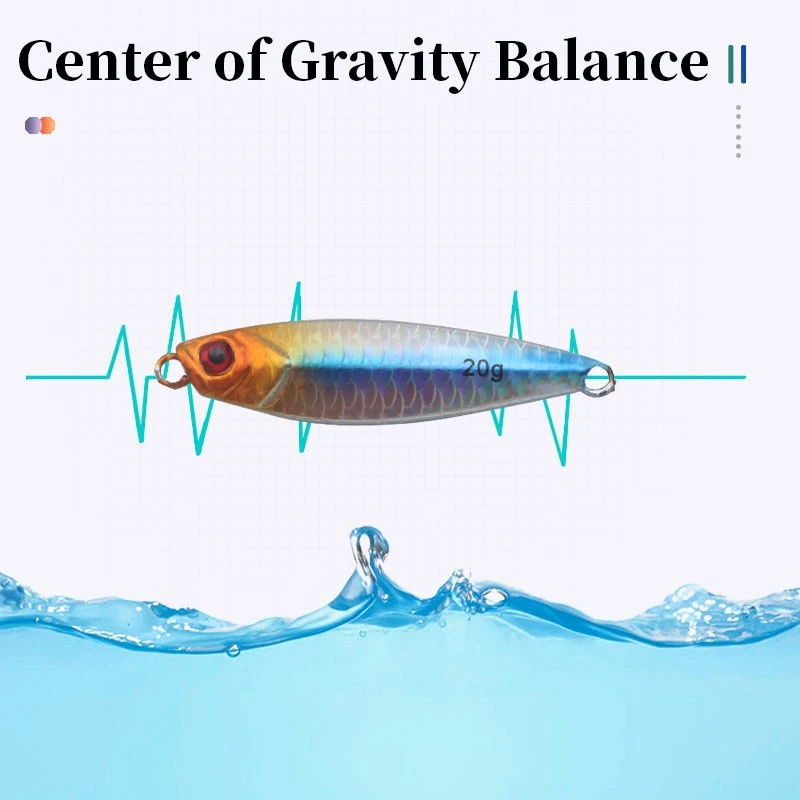
Freshwater fishing spoons are a simple yet effective artificial bait for smallmouth bass. A spoon is a metal lure that has a concave shape, which causes it to flutter and flash as it moves through the water. This flashing action imitates the movement of a small fish, attracting the attention of smallmouth bass.
Spoons come in a variety of sizes and colors. Small spoons are ideal for fishing in clear water or when smallmouth bass are feeding on smaller prey, while larger spoons can be used in murky water or to target larger smallmouth bass. When fishing with spoons, a steady retrieve with occasional pauses can be very effective. The pauses allow the spoon to flutter and fall, imitating an injured fish.
Freshwater Fishing Lures and Fresh Water Fishing Lures
In addition to the specific types of artificial baits mentioned above, there is a wide range of other freshwater fishing lures available for smallmouth bass. These include topwater lures, spinnerbaits, and swimbaits.
Topwater lures are designed to float on the surface of the water and create a commotion, imitating the movement of a struggling insect or small fish. They are most effective in the early morning or late evening when smallmouth bass are more likely to feed near the surface.
Spinnerbaits consist of a metal blade that spins as the lure is retrieved, creating vibration and flash. This can attract smallmouth bass from a distance. Swimbaits are soft plastic lures that mimic the shape and movement of a small fish. They can be fished at various depths and are effective in a variety of fishing conditions.
Factors Affecting Bait Preference
The preference of smallmouth bass for different types of bait can be influenced by several factors. Water temperature is one of the most important factors. In colder water, smallmouth bass may be less active and more selective in their feeding, preferring slower - moving baits such as jigs or worms. In warmer water, they are more active and may be more likely to chase after faster - moving baits such as crankbaits or spoons.
Water clarity also plays a role in bait preference. In clear water, smallmouth bass can see the bait more clearly, so natural - colored and realistic - looking baits may be more effective. In murky water, bright - colored or noisy baits that can attract the attention of smallmouth bass through vibration or flash may be a better choice.
The time of day can also affect bait preference. As mentioned earlier, smallmouth bass are more likely to feed near the surface in the early morning or late evening, making topwater lures a good option during these times. During the middle of the day, when the sun is high, smallmouth bass may move to deeper, cooler water and be more likely to feed on bottom - dwelling baits.
Conclusion
In conclusion, smallmouth bass have a diverse diet and can be caught using a variety of freshwater baits, both natural and artificial. As a freshwater bait supplier, I understand the importance of providing high - quality baits that can meet the needs of anglers targeting smallmouth bass. Whether you prefer to use natural baits such as minnows and crayfish or artificial baits like jigs and crankbaits, there is a bait out there that can help you catch more smallmouth bass.
If you're interested in purchasing high - quality freshwater bait for smallmouth bass fishing, I invite you to contact me for a procurement discussion. I can provide you with the latest information on the best baits for smallmouth bass and help you choose the right products for your fishing needs.
References
- Beamesderfer, R. C., & North, W. T. (1995). Population dynamics of smallmouth bass in a regulated river. Transactions of the American Fisheries Society, 124(3), 435 - 446.
- Cooke, S. J., & Philipp, D. P. (2004). Catch - and - release angling for smallmouth bass: implications for tournament management. Fisheries, 29(10), 22 - 30.
- Moyle, P. B., & Cech, J. J. (2004). Fishes: An Introduction to Ichthyology. Pearson Prentice Hall.


