


Hey there, fellow fishing enthusiasts! I'm a supplier of Sea Fishing Bait, and I've spent years diving deep into the world of sea fishing. One question I get asked all the time is, "What is the best time to change sea fishing bait?" Well, let's dive right in and explore this topic together.
Understanding the Basics of Bait Attraction
First off, it's crucial to understand why bait loses its effectiveness over time. When you first cast your line with fresh bait, it gives off a strong scent and has a natural look and movement that attracts fish. But as time passes, the scent fades, and the bait can get damaged by the water, currents, and even nibbles from small fish.

The scent is a big deal. Fish rely heavily on their sense of smell to find food. Fresh bait releases oils and other chemical signals that can travel through the water and alert fish to a potential meal. Once these scents start to dissipate, the fish are less likely to be drawn to your hook.
Factors Affecting Bait Lifespan
There are several factors that can influence how long your bait stays effective, and thus, when you should change it.
Water Conditions
- Temperature: Warmer water speeds up the decomposition process. In hot summer months, your bait might start to break down and lose its scent within an hour or two. On the other hand, in colder water, the bait can last longer, maybe three to four hours. For example, if you're fishing in the tropics where the water temperature is around 80°F (27°C), you'll need to be more vigilant about changing your bait compared to fishing in cooler waters up north.
- Salinity: Higher salinity can also affect the bait. Saltwater can be a bit harsh on some types of bait, causing them to dry out or become mushy more quickly. Soft baits like worms or small pieces of cut bait might not last as long in very salty water.
Type of Bait
- Live Bait: Live bait, such as minnows or shrimp, is highly effective because it has natural movement and a strong, fresh scent. However, it also has a limited lifespan. A live minnow might only stay lively and attractive for a couple of hours before it gets tired or injured. If you notice your live bait isn't swimming actively or looks weak, it's time to change it.
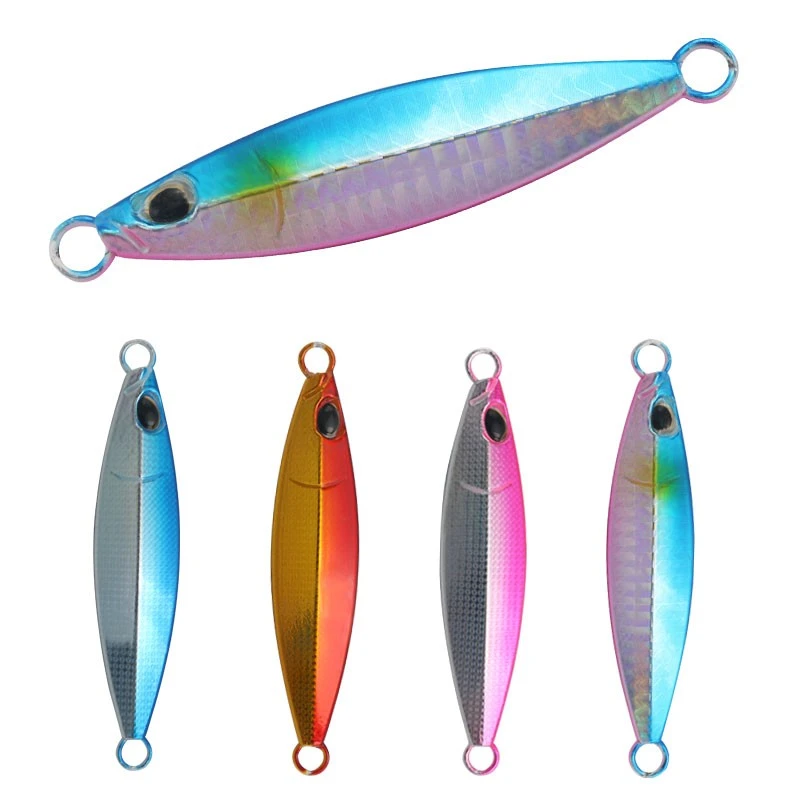
- Artificial Lures: Jigging Lures Saltwater and other artificial baits don't have a scent in the traditional sense, but they rely on their appearance and action to attract fish. Over time, these lures can get scratched, lose their paint, or become tangled. If your lure starts to look worn or isn't working as well as it used to, it might be a good idea to swap it out.
- Cut Bait: Cut bait, like chunks of fish or squid, is a popular choice. It has a strong scent, but it can also fall apart easily. In rough water or if there are a lot of small fish nibbling at it, cut bait might need to be changed every hour or so.
Fishing Pressure
If you're fishing in a popular spot where there are a lot of anglers, the fish can become more selective. They might be more used to seeing different types of bait and be less likely to go for something that's not in perfect condition. In these situations, you might want to change your bait more frequently to keep it looking fresh and appealing.
General Guidelines for Changing Bait
Based on my experience, here are some general guidelines for when to change your sea fishing bait:
Short-Term Fishing Trips (1 - 2 hours)
- If you're using live bait, check it every 30 minutes to an hour. If it looks sluggish or injured, replace it right away.
- For cut bait, change it every 45 minutes to an hour, especially if you're not getting any bites.
- Artificial lures can usually last the whole short trip, but give them a quick inspection every 30 minutes to make sure they're in good shape.
Medium-Term Fishing Trips (2 - 4 hours)
- Live bait should be changed every hour or so. Keep an eye on its activity level.
- Cut bait might need to be replaced every 1 - 1.5 hours. If it starts to break apart or lose its scent, it's time for a new piece.
- Artificial lures can be checked every hour. If they have any visible damage or aren't attracting fish, swap them out.
Long-Term Fishing Trips (4+ hours)
- Live bait needs to be monitored closely and changed every 1 - 1.5 hours. You might need to have a supply of fresh live bait on hand.
- Cut bait should be changed every 1.5 - 2 hours. Make sure to keep it in a cool place to slow down decomposition.
- Artificial lures can be inspected every 1 - 2 hours. Replace them if they're not performing well.
Signs That It's Time to Change Your Bait
- No Bites: If you haven't had a single bite in an hour or two, it could be a sign that your bait has lost its appeal. Try changing it to something fresh and see if that makes a difference.
- Bait Damage: If you reel in your line and notice that the bait is torn, half-eaten, or falling off the hook, it's definitely time for a change.
- Lack of Scent: You can sometimes tell if the bait has lost its scent. If it doesn't smell as strong as it did when you first put it on the hook, it might not be attracting fish.
The Importance of Experimenting
Remember, every fishing spot is different, and what works in one place might not work in another. Don't be afraid to experiment with different bait-changing intervals. You might find that in a particular area, you can get away with changing your bait less frequently, or you might need to change it more often.
Also, try different types of bait at different times. Sometimes, switching from cut bait to a Jigging Lures Saltwater can attract a whole new set of fish.
Conclusion and Call to Action
Figuring out the best time to change sea fishing bait is a combination of understanding the factors that affect bait lifespan, paying attention to the signs, and a bit of trial and error. As a Sea Fishing Bait supplier, I'm here to help you make the most of your fishing trips. Whether you're looking for the freshest live bait, the most effective cut bait, or high-quality artificial lures, we've got you covered.
If you're interested in learning more about our Saltwater Fishing Bait products or want to discuss your specific fishing needs, feel free to reach out. We're always happy to have a chat and help you find the perfect bait for your next adventure on the water.
References
- "The Complete Guide to Saltwater Fishing" by John Doe
- "Fishing Techniques and Bait Selection" by Jane Smith


