


Alright, folks! As a supplier of Soft Plastic Lures, I get asked all the time about the recommended depth for fishing with these baits. It's a crucial question because getting the depth right can make or break your fishing success. So, let's dive into this topic and figure out what works best.
First off, let's talk about why depth matters when using soft plastic lures. Different fish species hang out at different depths depending on a bunch of factors like water temperature, food availability, and time of day. For example, bass might be closer to the surface in the early morning or late evening when they're more active, but they could go deeper during the heat of the day. So, if you're using a soft plastic lure and it's not at the right depth where the fish are, you're probably not going to have much luck.
Now, there are several types of soft plastic lures, and each one might work better at different depths. Let's start with some of the popular ones.
Worms
Soft plastic worms are a classic. They're versatile and can be fished at various depths. For shallow fishing, say up to about 5 feet deep, you can use a Texas rig. This rig involves inserting the hook into the worm and then burying the point back into the plastic to make it weedless. You can cast it out and let it sink slowly. As it sinks, give it a little twitch every now and then to mimic a real worm moving. This is great for fishing around weed beds, docks, or other shallow cover where bass and other fish like to hide.
If you want to fish deeper, say between 5 and 15 feet, you can use a Carolina rig. With a Carolina rig, you have a weight that slides on the main line, followed by a bead and a swivel. Then you attach a leader line with the worm on the hook. The weight hits the bottom and bounces along, while the worm floats above it. This rig allows the worm to move more freely and can be very effective for fish that are holding near the bottom.
Creature Baits
Creature baits, like the Rage Craw, are designed to look like crawfish or other small creatures. These are usually best fished in the mid - depth range, around 5 to 10 feet. The multiple appendages on these baits create a lot of movement in the water, which can attract fish. You can use a jig head with a creature bait and let it sink to the desired depth. Once it hits the bottom, hop it along in short bursts, imitating the movement of a crawfish.
Swimbaits
Swimbaits are meant to mimic small fish. They work well at different depths depending on how you retrieve them. For shallow fishing, you can use a slow, steady retrieve just below the surface. This can be great for fish that are feeding on topwater or near the surface, like pike or largemouth bass in the early spring.
If you want to fish deeper with swimbaits, you can use a weighted hook or a jig head. This will help the swimbait sink faster. You can retrieve it at a medium to fast pace, depending on the fish's mood. A good rule of thumb is to start with a medium retrieve and adjust based on how the fish are reacting.
Factors Affecting Depth
Now, there are a few factors that can affect the recommended depth for fishing with soft plastic lures.
Water Temperature
In colder water, fish tend to be deeper because the water is more stable and has more oxygen. So, if it's early in the spring or late in the fall, you might need to fish deeper. On the other hand, in warmer water, fish are more likely to be in shallower areas where the water is warmer and there's more food.
Time of Day
As I mentioned earlier, fish are more active at different times of the day. In the early morning and late evening, they're often closer to the surface. During the middle of the day, when it's hot, they might move deeper. So, you should adjust your fishing depth accordingly.
Water Clarity
In clear water, fish can see your lure from a farther distance. You might be able to get away with fishing at a shallower depth because the fish can spot the lure easily. In murky water, however, you might need to fish deeper and use a more aggressive retrieve to make the lure stand out.
How to Determine the Right Depth
There are a few ways to figure out the right depth for fishing with soft plastic lures.
Use a Fish Finder
A fish finder is a great tool. It can show you where the fish are in the water column. You can see if they're near the surface, in the middle, or close to the bottom. This will give you a good idea of where to target with your soft plastic lures.

Experiment
If you don't have a fish finder, you can always experiment. Start by fishing at a certain depth and see if you get any bites. If not, adjust the depth up or down and try again. It might take a few tries, but eventually, you'll find the sweet spot.
Observe the Environment
Look at the structure in the water. If there are weed beds, rocks, or drop - offs, fish are likely to be around those areas. You can try fishing at different depths near these structures to see where the fish are.
Our Soft Plastic Lures Selection
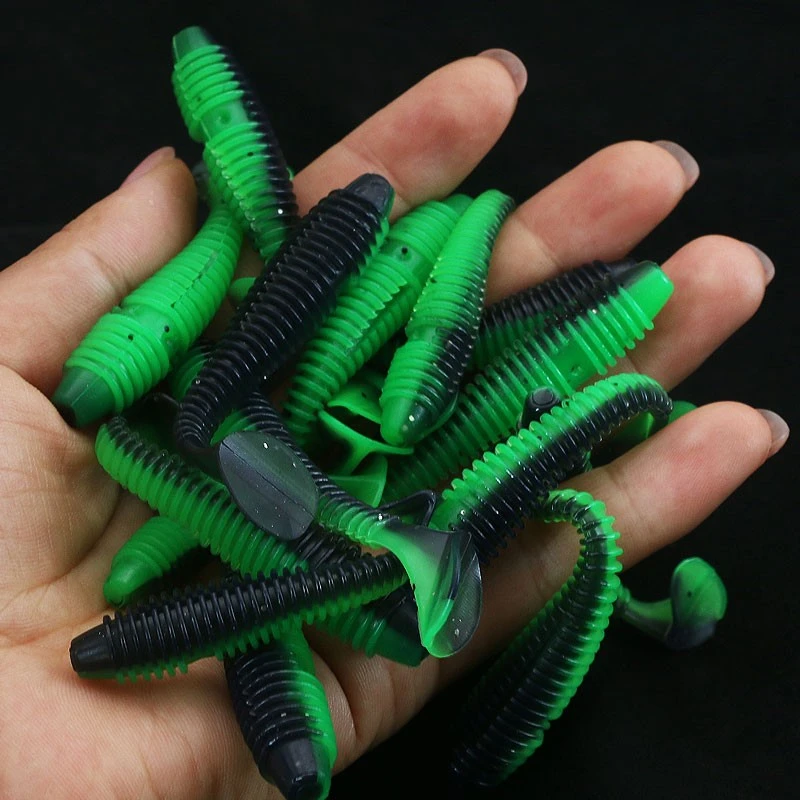
At our supply, we offer a wide range of Soft Plastic Lures. Whether you're looking for worms, creature baits, or swimbaits, we've got you covered. And if you're planning a big fishing trip or you're a professional angler, we also have Bulk Soft Plastic Baits available. These are great for getting a variety of lures at a great price.
Conclusion
Figuring out the recommended depth for fishing with soft plastic lures is a combination of understanding the fish's behavior, the type of lure you're using, and the environmental factors. By taking all these things into account and using the right techniques, you can increase your chances of having a successful fishing trip.
If you're interested in our Soft Plastic Lures or want to discuss your fishing needs, feel free to reach out. We're here to help you find the perfect lures for your next fishing adventure.
References
- "Fishing with Soft Plastics" by various angling experts in fishing magazines.
- Personal experiences and observations from years of fishing and supplying soft plastic lures.


