What retrieval speed is ideal for a Paddle Tail Swimbait?
The realm of fishing is an ever - evolving world filled with a variety of lures, each with its unique characteristics and techniques for optimal use. Among these, the Paddle Tail Swimbait has emerged as a favored choice for many anglers, thanks to its lifelike action and ability to attract a wide range of fish species. A crucial factor in effectively using a Paddle Tail Swimbait is determining the ideal retrieval speed. As a Paddle Tail Swimbait supplier, I've witnessed firsthand the impact that the right retrieval speed can have on fishing success, and in this blog, I'll share some insights into finding that perfect pace.
Understanding the Paddle Tail Swimbait
Before delving into retrieval speeds, it's essential to understand what makes the Paddle Tail Swimbait so effective. This lure is designed to mimic the swimming motion of a small fish. The paddle - shaped tail creates a side - to - side wobbling action as it moves through the water, which is highly attractive to predatory fish. The body of the swimbait is typically soft and flexible, adding to its realism. Anglers use these lures to target fish such as bass, pike, muskie, and walleye, among others. And when it comes to purchasing, we offer a wide selection at Paddle Tail Swimbait.
Factors that Influence the Ideal Retrieval Speed
-
Fish Species
Different fish species have different feeding behaviors and preferences when it comes to the speed of their prey. For example, bass are known to be opportunistic predators. They will strike at lures retrieved at a relatively wide range of speeds. In general, a medium - fast retrieval speed can often trigger a reaction strike from bass. Bass are active hunters, and a lure that moves briskly enough to mimic a fleeing baitfish can be very enticing. On the other hand, walleye are more cautious feeders. They tend to prefer lures that move at a slower, more natural pace. A slow retrieval speed that allows the paddle tail to gently undulate is often more likely to elicit a bite from a walleye. So, knowing the target species is the first step in determining the right retrieval speed. -
Water Temperature
Water temperature plays a significant role in fish metabolism and activity levels. In colder water, fish are less active, and their metabolism slows down. As a result, they are less likely to chase after a fast - moving lure. In these conditions, a slow retrieval speed is ideal. For instance, in early spring or late fall when the water is cold, I recommend retrieving your Paddle Tail Swimbait at a very slow pace, almost a crawl. This gives the fish ample time to detect the lure and make a decision to strike. In warmer water, fish are more active and have a higher metabolism. They are more willing to pursue a faster - moving target. A medium to fast retrieval speed can be more effective during the summer months when the water temperature is higher. -
Water Depth
The depth at which you are fishing also affects the ideal retrieval speed. When fishing in shallow water, a faster retrieval speed may be more effective. The shallower the water, the more visible the lure is to the fish, and a faster - moving lure can create more commotion on the surface or in the water column, attracting the attention of fish. In deeper water, however, a slower retrieval speed is often better. The lure has more distance to travel to reach the fish, and a slower pace allows the fish more time to intercept it. Additionally, the water pressure at greater depths can affect the action of the paddle tail, so a slower speed helps maintain a realistic and appealing movement.
Finding the Ideal Retrieval Speed
-
Experimentation
There is no one - size - fits - all answer when it comes to the ideal retrieval speed. That's why experimentation is key. When you first start fishing with a Paddle Tail Swimbait in a new location or for a new species, begin by trying different retrieval speeds. Start with a slow speed and gradually increase it, paying close attention to any strikes or interest shown by the fish. If you're not getting any bites at a particular speed, switch it up. For example, if you've been retrieving at a slow pace without success, try a fast, erratic retrieve for a few casts. This variability can sometimes trigger a reaction from the fish. -
Reading the Water and Fish Behavior
Observing the water and the behavior of the fish can provide valuable clues about the ideal retrieval speed. If you notice fish actively chasing or schooling near the surface, a faster retrieval speed may be appropriate. You can use the Paddle Tail Swimbait to imitate a panicked baitfish trying to escape. If the water seems calm and the fish are not showing much activity, a slow, steady retrieval is a safer bet. Watch for any subtle signs of fish interest, such as follows or swirls in the water, and adjust your retrieval speed accordingly.
The Impact of Retrieval Speed on Lure Action
The retrieval speed has a direct impact on the action of the Paddle Tail Swimbait. At a slow retrieval speed, the paddle tail moves in a gentle, rhythmic manner. This creates a subtle, natural - looking action that can be very effective for attracting wary fish. The slow movement allows the fish to closely examine the lure without being spooked.
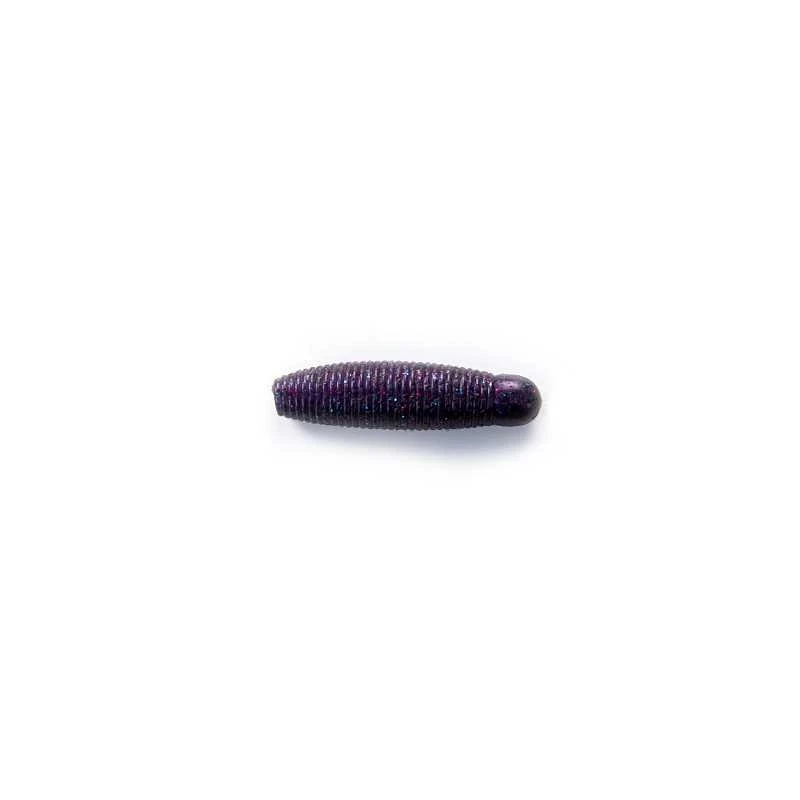

When the retrieval speed is increased, the paddle tail starts to move more vigorously. The side - to - side wobble becomes more pronounced, creating a flashier and more attention - grabbing action. This is great for triggering reaction strikes from aggressive fish. However, if the retrieval speed is too fast, the action of the paddle tail can become erratic and unnatural, which may cause the fish to lose interest.
Our Product Advantage
As a Paddle Tail Swimbait supplier, we understand the importance of providing high - quality products that perform well at various retrieval speeds. Our swimbaits are made from premium soft plastic materials, ensuring durability and a realistic feel. The paddle tails are designed to produce a consistent and appealing action, whether retrieved slowly or quickly. We also offer a diverse range of sizes and colors to suit different fishing conditions and target species. You can explore our full selection of Soft Plastic Lures, which includes our exceptional Paddle Tail Swimbait. And for those looking to purchase in large quantities, we have Bulk Soft Plastic Baits available at competitive prices.
Connecting for Business
If you're a fishing retailer, a wholesaler, or simply an angler interested in bulk purchasing our Paddle Tail Swimbaits, we'd love to connect with you. Finding the ideal retrieval speed is just one part of the fishing equation. Using high - quality lures like ours can significantly enhance your fishing success. Whether you're targeting bass in a local lake or going after a big muskie in a large river, our swimbaits are up to the task. Reach out to us to discuss your purchasing needs and let's work together to bring the best fishing lures to the market.
References
- Hunt, J. H. (2015). "Advanced Fishing Lure Techniques". Outdoor Publishing.
- Smith, R. D. (2018). "The Science of Fishing Lures". Angling Research Press.