


Hey there, fellow saltwater fishing enthusiasts! I'm a supplier of Saltwater Fishing Bait, and I've been in the business long enough to know what works when it comes to reef fishing. Reef fishing is a blast, but choosing the right bait can be a real game-changer. So, let's dive into what makes a great saltwater fishing bait for reef fishing.
Live Bait: The Gold Standard
When it comes to reef fishing, live bait is often the top choice. Fish in the reef environment are used to hunting live prey, so presenting them with something that looks and acts like the real deal can significantly increase your chances of a bite.
Shrimp
Shrimp are a classic saltwater bait that works wonders for reef fishing. They're readily available at most bait shops, and they're easy to handle. You can hook them through the tail or the head, depending on the type of fish you're targeting. Smaller shrimp are great for panfish and snappers, while larger ones can attract bigger predators like groupers.
One of the best things about using shrimp as bait is their natural scent. The smell of a live shrimp in the water can quickly draw in fish from all around the reef. Just make sure to keep your shrimp alive and kicking until you're ready to cast. A good aerated bait bucket can do wonders for keeping your shrimp fresh and lively.
Crabs
Crabs are another excellent live bait option for reef fishing. They're tough and can stay on the hook longer than some other baits, which is great when you're fishing in areas with a lot of current or rough terrain. Blue crabs and fiddler crabs are popular choices, and they can be found in many coastal areas.
To use a crab as bait, you can either hook it through the back or the claw. Some fish, like sheepshead and black drum, are particularly fond of crabs. These fish have strong teeth that can crack open the crab's shell, so they're always on the lookout for a tasty crab meal.
Baitfish
Baitfish, such as mullet, pilchards, and pinfish, are also great for reef fishing. They're a natural food source for many predatory fish, so using them as bait can be very effective. You can catch your own baitfish using a cast net or buy them at a bait shop.
When using baitfish, it's important to hook them properly to keep them alive and swimming naturally. You can hook them through the back just behind the dorsal fin or through the lips. This will allow the baitfish to move freely in the water, making it more attractive to fish.
Cut Bait: A Practical Alternative
If you don't have access to live bait or prefer a more convenient option, cut bait can be a great choice. Cut bait is simply pieces of fish or other marine creatures that you cut up and use as bait.
Squid
Squid is a popular cut bait for reef fishing. It's easy to find, inexpensive, and has a strong scent that can attract fish. You can buy squid at most bait shops or catch your own using a squid jig.
To use squid as cut bait, simply cut it into strips or chunks. The size of the pieces will depend on the type of fish you're targeting. Smaller strips are good for smaller fish, while larger chunks can attract bigger predators.
Mackerel
Mackerel is another great cut bait option. It's oily and has a strong smell that can travel a long way in the water. You can catch mackerel using a sabiki rig or buy them at a bait shop.
When using mackerel as cut bait, cut it into chunks and thread them onto your hook. The chunks should be big enough to stay on the hook but small enough to be easily swallowed by the fish.
Artificial Lures: The High-Tech Option
Artificial lures have come a long way in recent years, and they can be very effective for reef fishing. They come in a variety of shapes, sizes, and colors, and they're designed to mimic the movement and appearance of natural prey.
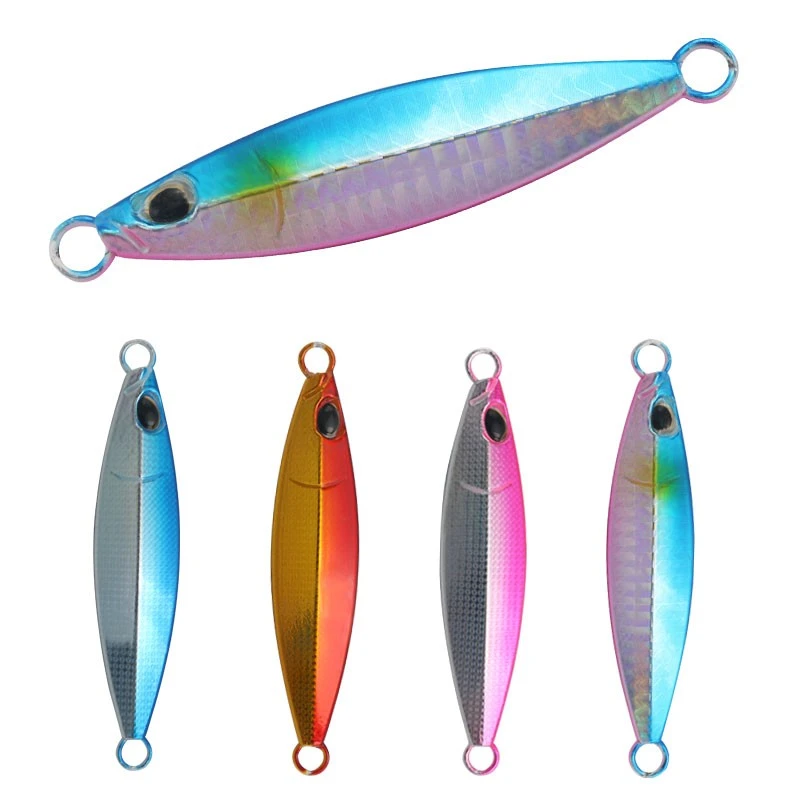
Jigging Lures
Jigging Lures Saltwater are a popular choice for reef fishing. They're weighted lures that you can bounce off the bottom of the reef to attract fish. Jigging lures come in many different styles, including metal jigs, soft plastic jigs, and bucktail jigs.
To use a jigging lure, cast it out to the reef and let it sink to the bottom. Then, use a jerking motion to make the lure move up and down. This mimics the movement of a wounded or fleeing fish, which can trigger a predatory response from the fish in the area.
Soft Plastic Lures
Soft plastic lures are another great option for reef fishing. They're made of a soft, flexible material that can mimic the movement of worms, shrimp, or other small marine creatures. Soft plastic lures come in a variety of shapes and colors, and they can be rigged in different ways depending on the type of fish you're targeting.
To use a soft plastic lure, rig it onto a hook or a jig head and cast it out to the reef. Then, use a slow retrieve to make the lure move through the water. You can also add a twitch or a pause to the retrieve to make the lure more attractive to the fish.
Choosing the Right Bait for the Target Species
Different fish species have different feeding habits and preferences, so it's important to choose the right bait for the fish you're targeting. Here are some common reef fish and the baits that work best for them:
Snapper
Snapper are a popular reef fish that can be caught using a variety of baits. Live shrimp, cut bait (such as squid or mackerel), and soft plastic lures are all effective options. Snapper are bottom feeders, so presenting your bait close to the reef is important.

Grouper
Grouper are large, powerful fish that can be a challenge to catch. They're ambush predators that like to hide in caves and crevices in the reef. Live baitfish, such as mullet or pinfish, are a great choice for grouper. You can also use large jigs or soft plastic lures to target them.
Triggerfish
Triggerfish are small, but feisty fish that can be caught using small pieces of cut bait, such as shrimp or squid. They have strong teeth, so using a small, sharp hook is important. Triggerfish are often found around the edges of the reef, so casting your bait in these areas can increase your chances of a bite.
Conclusion
As you can see, there are many different types of saltwater fishing bait that can be used for reef fishing. Whether you prefer live bait, cut bait, or artificial lures, there's a bait out there that will work for you. The key is to experiment and find the bait that works best for the fish species you're targeting and the conditions you're fishing in.
If you're looking for high-quality Saltwater Fishing Bait, Jigging Lures Saltwater, or Sea Fishing Bait, I'm here to help. I've got a wide selection of baits and lures that are sure to meet your needs. So, if you're interested in purchasing bait for your next reef fishing trip, don't hesitate to reach out and start a conversation. I'm always happy to talk fishing and help you find the right bait for the job.
References
- "Saltwater Fishing Handbook" by John Doe
- "Reef Fishing Techniques" by Jane Smith
- Various online fishing forums and blogs


