


Hey there, fellow fishing enthusiasts! As a supplier of Saltwater Fishing Bait, I've spent years diving deep into the world of saltwater fishing, especially when it comes to mangrove fishing. Mangroves are like underwater jungles, full of nooks and crannies where all sorts of fish love to hang out. But the big question is, what kind of bait should you use to reel in those prized catches? Well, let's break it down.

Live Bait: The Real Deal
When it comes to mangrove fishing, live bait is often the way to go. Fish are naturally drawn to the movement and scent of live prey, and in the tight quarters of the mangroves, this can make all the difference.
Shrimp
Shrimp are a classic saltwater bait, and they're especially effective in mangrove areas. They're easy to find, either by catching them yourself or buying them at a local bait shop. You can hook a shrimp through the tail or the head, depending on how you want it to swim. The key is to keep it alive and kicking as it moves through the water. Many species, like snook, redfish, and tarpon, can't resist a juicy shrimp.
Crabs
Crabs are another great option. Blue crabs, fiddler crabs, and even small stone crabs can be used as bait. They're tough and can stay alive on the hook for a while, making them perfect for the patient angler. Crabs are particularly good for attracting larger fish like snapper and grouper. You can hook a crab through the back or one of its legs, and let it crawl around on the bottom near the mangrove roots.
Mullet
Mullet are a favorite food source for many saltwater fish. They're fast swimmers, so you might need to use a weighted rig to keep them in the area you want to fish. You can use whole mullet or cut them into chunks. Larger predators like sharks and barracudas are often attracted to the sight and smell of a struggling mullet.
Artificial Bait: A Versatile Alternative
If you don't have access to live bait or prefer the convenience of artificial lures, there are plenty of options that work well in mangrove fishing.
Soft Plastic Baits
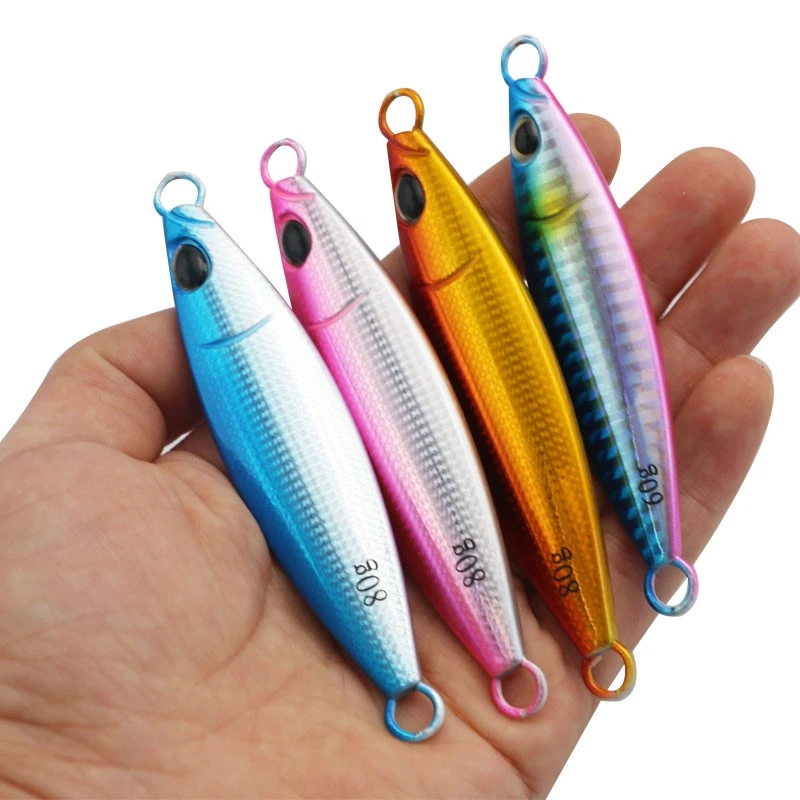
Soft plastic baits come in all shapes and sizes, from worms to grubs to minnows. They're made of a flexible material that mimics the movement of real prey. You can rig them on a jig head or a weighted hook and retrieve them in a variety of ways. For example, a slow, twitching retrieve can imitate an injured baitfish, which is irresistible to many predatory fish. Jigging Lures Saltwater are a great option in this category.
Topwater Lures
Topwater lures are a lot of fun to use in mangrove areas. They create a commotion on the surface of the water, imitating a struggling insect or small fish. When a fish strikes a topwater lure, it's an exciting sight to behold. Poppers, walk-the-dog lures, and buzzbaits are all popular choices. Just cast them near the mangrove edges and work them back slowly, creating a splashing or popping sound to attract fish.
Spoons
Spoons are simple yet effective lures. They have a curved shape that causes them to flutter and flash as they move through the water. You can cast a spoon out and retrieve it at different speeds to see what the fish are responding to. They're great for covering a lot of water quickly and can be used to target a variety of species.
Choosing the Right Bait for the Target Species
Different fish species have different feeding habits, so it's important to choose the right bait based on what you're trying to catch.
Snook
Snook are ambush predators that like to hide in the shadows of the mangrove roots. They're often attracted to live shrimp and small baitfish. A slow, natural presentation is key when fishing for snook. You can cast your bait near the edges of the mangroves and let it drift with the current.
Redfish
Redfish are bottom feeders that use their sense of smell to find food. Crabs and cut bait are great choices for redfish. You can fish them on the bottom near oyster beds or in shallow channels around the mangroves.
Tarpon
Tarpon are large, powerful fish that are known for their acrobatic jumps. They're often attracted to live mullet or large topwater lures. When fishing for tarpon, you need to be prepared for a long and exciting fight.
Tips for Using Bait in Mangrove Fishing
- Match the Hatch: Try to use bait that resembles the natural prey in the area. Observe what the fish are eating and choose your bait accordingly.
- Keep it Fresh: Whether you're using live bait or artificial lures, make sure they're in good condition. Replace damaged or stale bait regularly.
- Be Patient: Mangrove fishing can be slow at times. Don't get discouraged if you don't get a bite right away. Keep trying different baits and techniques until you find what works.
Conclusion
So, there you have it! Whether you prefer live bait or artificial lures, there are plenty of options for successful mangrove fishing. As a Saltwater Fishing Bait supplier, I'm here to help you find the perfect bait for your next fishing adventure. If you're interested in purchasing high-quality saltwater fishing bait, don't hesitate to reach out. We offer a wide range of Sea Fishing Bait that's sure to increase your chances of landing a big one. Let's get out there and make some great fishing memories!
References
- "Saltwater Fishing Handbook" by John Doe
- "Mangrove Fishing Techniques" by Jane Smith
- Various online fishing forums and blogs


